
Asphalt Shingle vs. Concrete Tile: Choosing the Right Roof Replacement for Your Home
Replacing your roof is one of the most significant investments you will make as a homeowner. It protects your family, enhances your property's curb appeal, and plays a massive role in your home's overall energy efficiency. If you live in the Conejo Valley, you are likely weighing two of the most popular materials on the market: asphalt shingles and concrete tiles.
Both options have distinct advantages, but choosing the right roofing material for replacement requires looking beyond just the initial price tag. You have to consider how the material holds up to local weather patterns, whether it meets strict energy codes, and how it aligns with your neighborhood's aesthetic standards.
At Macias Roofing Inc., we spend a lot of time helping homeowners navigate this exact decision. Let's break down the pros, cons, and local considerations for both asphalt shingle and concrete tile roofs so you can make an informed choice for your property.
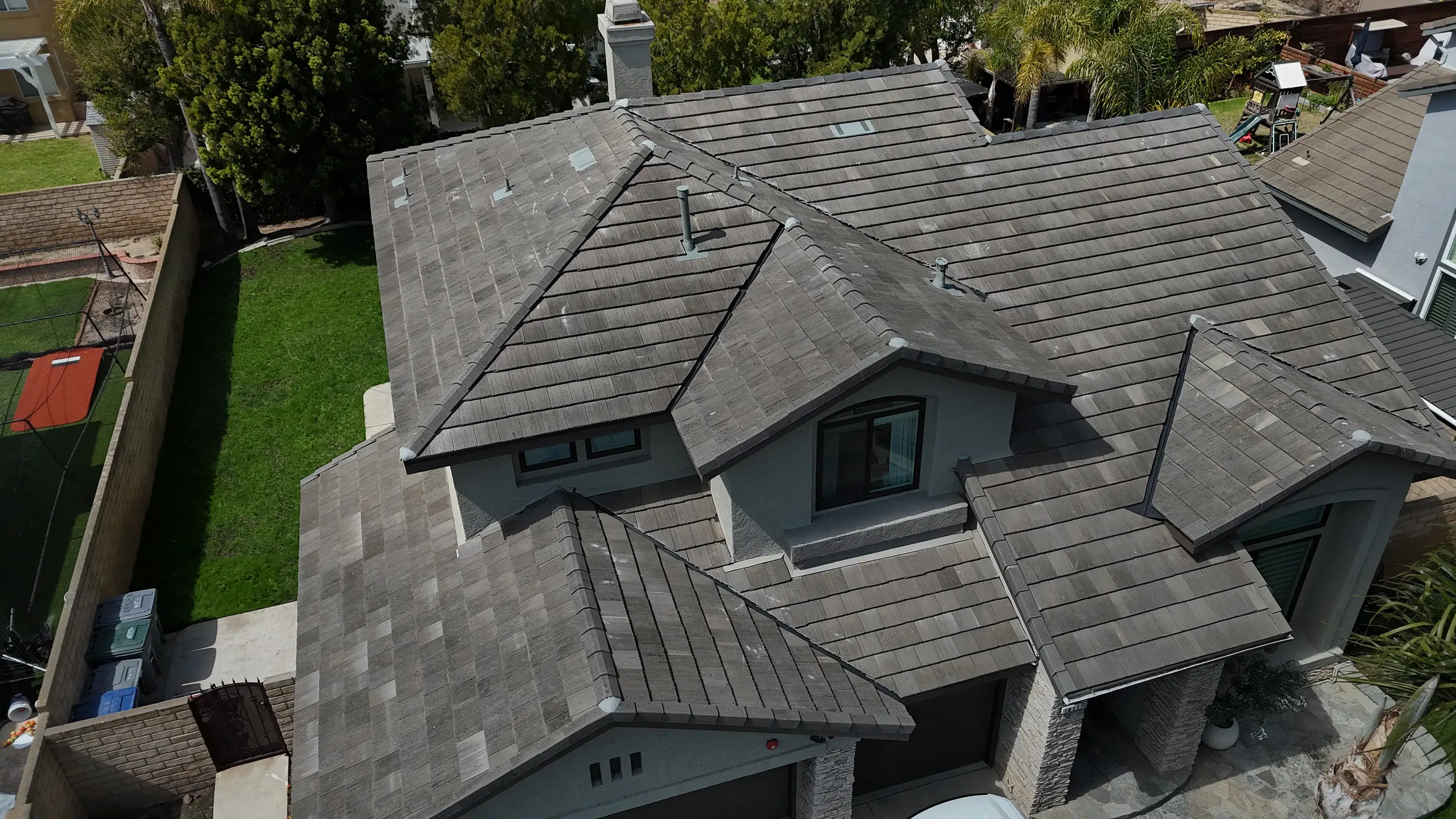
The Case for Concrete Tile Roofs
Concrete tile is a staple of Southern California architecture. When you drive through established neighborhoods, you will see countless homes sporting the classic Spanish tile look. But the appeal of concrete tile goes far beyond its timeless aesthetic.
Durability and Lifespan
One of the most common questions we hear is about the average lifespan of a tile roof. When properly installed and maintained, a concrete tile roof can easily last 50 years or more. The tiles themselves are incredibly durable and resistant to rot, insect damage, and extreme heat. However, it is important to note that the underlayment beneath the tiles typically needs replacing every 20 to 30 years.
Fire Resistance and Safety
Safety is a top priority for homeowners in our region. Concrete tiles are naturally non-combustible, making them a Class A fire-rated roofing material. This provides exceptional protection against airborne embers during wildfire season, which can offer peace of mind and potentially lower your homeowner's insurance premiums.
The Drawbacks of Tile
The primary drawback of concrete tile is the upfront cost. It is a premium material that requires specialized installation techniques. Additionally, concrete tiles are heavy. If your home was not originally built to support the weight of a tile roof, you may need structural reinforcement before installation, which adds to the overall cost factors for residential roof replacement. Finally, walking on a tile roof can cause the tiles to crack, making routine maintenance like clearing Oak tree debris from your gutters a task best left to professionals.
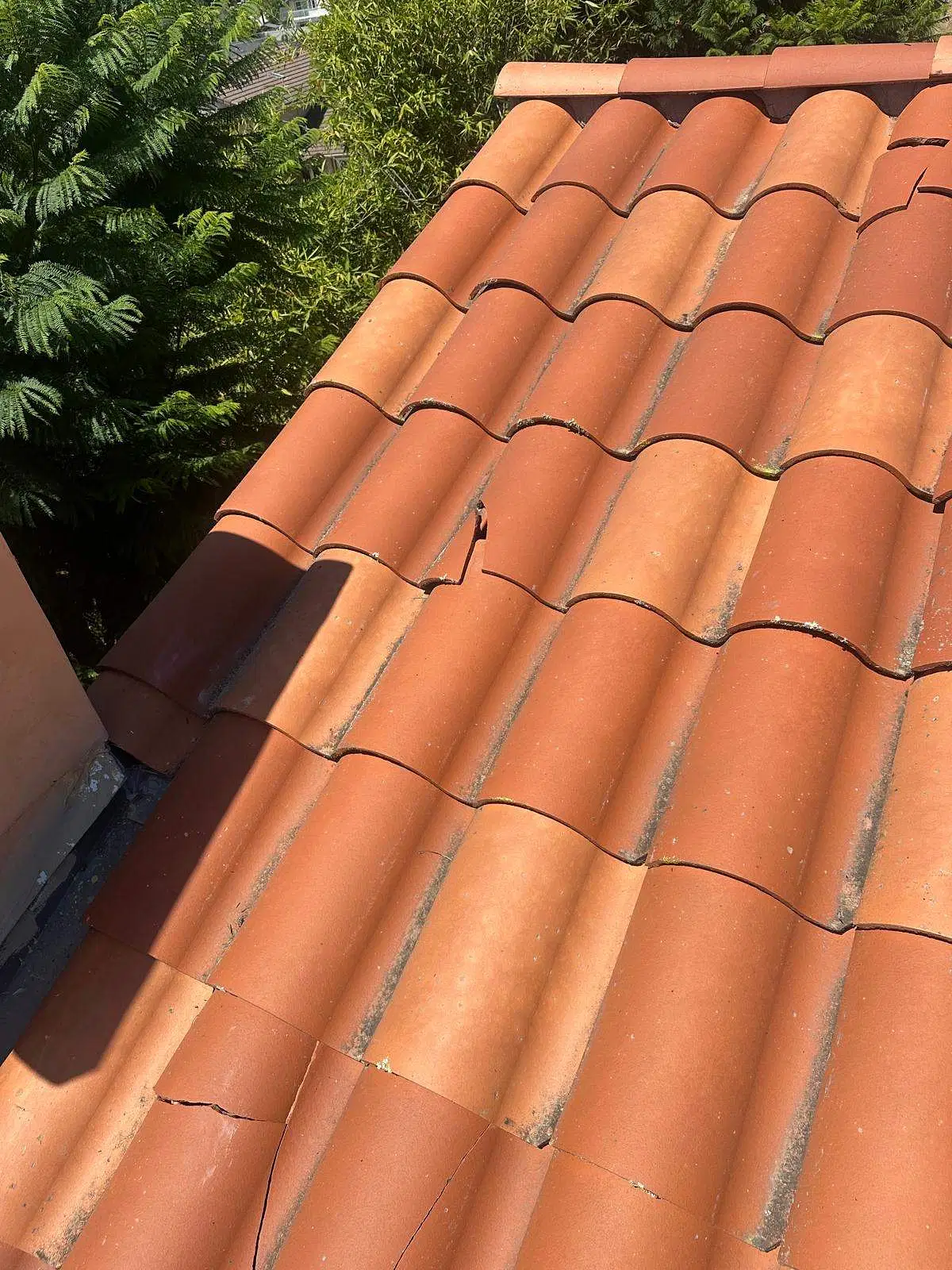
The Advantages of Asphalt Shingle Roofs
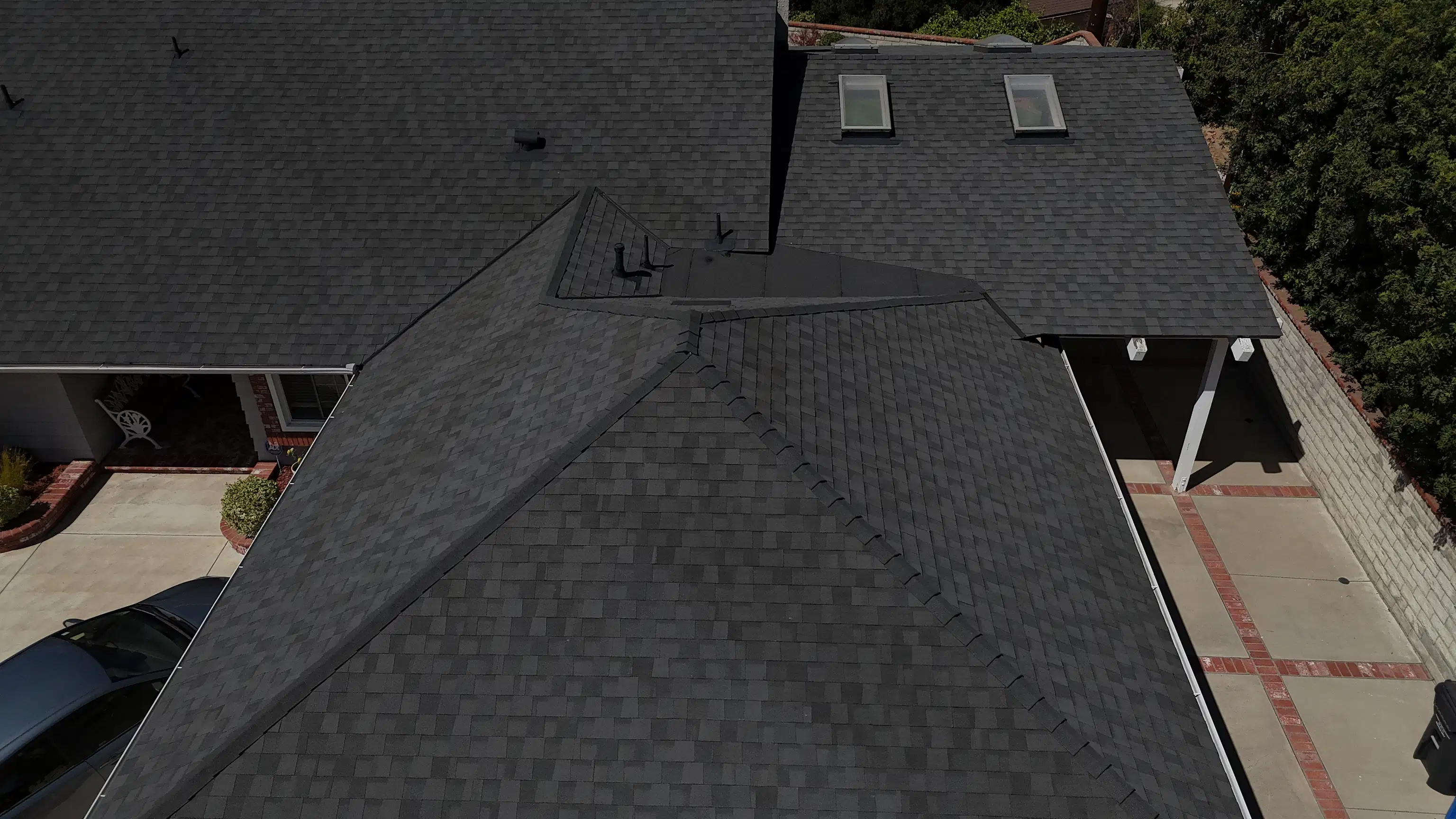
Asphalt shingles are the most popular roofing material in North America for a reason. Modern architectural shingles offer a fantastic balance of durability, affordability, and aesthetic versatility.
Cost-Effective and Versatile
If you are looking for a more budget-friendly option that doesn't sacrifice quality, asphalt shingles are an excellent choice. The materials and installation labor are generally less expensive than concrete tile, making the upfront investment much more manageable. Today's high-end dimensional shingles come in a wide variety of colors and textures, some even mimicking the look of natural slate or wood shakes.
Weather Resistance
Modern asphalt shingles are engineered to withstand tough weather conditions. High-quality architectural shingles are designed with strong adhesive strips that provide excellent wind resistance, which is crucial when the Santa Anas start blowing through the region. They are also relatively lightweight, meaning they can be installed on almost any home without the need for structural modifications.
The Drawbacks of Asphalt
While highly durable, asphalt shingles generally have a shorter lifespan than concrete tiles, typically lasting 20 to 30 years depending on the specific product and environmental factors. They can also be more susceptible to heat degradation over time, though choosing lighter colors and ensuring proper attic ventilation can mitigate this issue.
Local Factors to Consider Before You Choose
When deciding between asphalt shingle vs concrete tile roof materials, you have to factor in the unique requirements of living in our area.
HOA Guidelines
If you live in a planned community like Lang Ranch or similar neighborhoods, your Homeowners Association likely has strict architectural guidelines. Many HOAs mandate specific materials, colors, or styles to maintain a uniform neighborhood aesthetic. Always check with your HOA board before falling in love with a specific roofing material, as this can quickly narrow down your options.
Title 24 and Energy Efficiency
California's Title 24 energy efficiency standards require new roofs to meet specific "cool roof" criteria. This means your new roof must reflect a certain amount of sunlight and absorb less heat, which helps lower your air conditioning bills during our hot summers. Fortunately, both concrete tiles and modern asphalt shingles come in Title 24-compliant options. Manufacturers now produce highly reflective shingles and tiles that meet these strict state mandates without compromising on style.
Ready to Upgrade Your Roof?
Choosing the right material is only half the battle; selecting a contractor with the expertise to install it correctly is just as important. Whether you are leaning toward the classic durability of concrete tile or the versatile value of asphalt shingles, Macias Roofing Inc. is here to help you navigate the process from start to finish.
We understand the local building codes, HOA requirements, and weather challenges unique to Ventura County. If you are considering re-roofing your home, reach out to our team today. We would be happy to provide a detailed inspection, discuss your options, and help you find the perfect roofing solution for your property and budget.