
Maintaining Your Tile Roof Through Timely Repairs
Clay and concrete tile roofs are a hallmark of Southern California architecture. If you drive anywhere along the 101 corridor, you will see these beautiful, sweeping rooflines defining our neighborhoods. Known for their incredible durability and timeless aesthetic, these roofs are built to withstand the intense sun and heat of our region. However, even the most robust Class A fire-rated materials require regular upkeep. Extending the life of concrete tile roofs or traditional clay tiles isn't just about sweeping away leaves; it is about recognizing when routine maintenance crosses over into necessary repairs.
Proactive care can save you from unexpected leaks and major overhauls. A well-maintained tile roof can easily last 50 years or more, but the waterproof underlayment beneath the tiles typically needs attention much sooner. In this comprehensive guide, we will walk you through how targeted repairs are the ultimate form of maintenance, ensuring your home remains safe, dry, and beautiful year-round.
How to Spot Cracked Roof Tiles and Prevent Water Damage
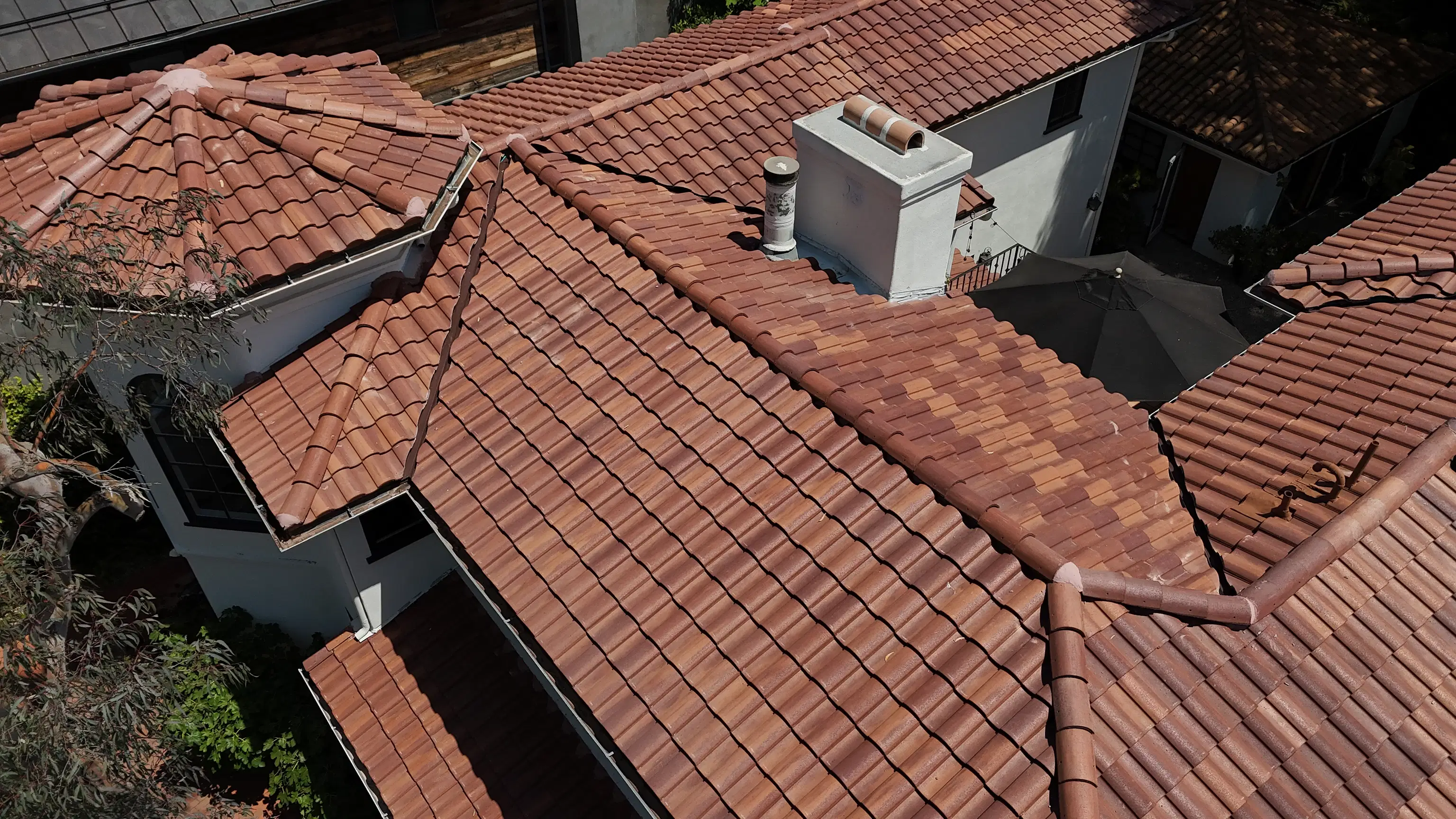
One of the most critical aspects of roof maintenance is regular visual inspection. You don't need to climb up on a ladder to catch early warning signs; in fact, walking on a tile roof without proper training can cause significant damage. A careful walk around your property can reveal a lot. Knowing how to spot cracked roof tiles from the ground can help you address minor vulnerabilities before they turn into major leaks, especially when looking for signs of roof damage after rain.
Look for tiles that have shifted out of place, chipped edges, or visible fractures. These issues are often caused by severe weather events, such as the Santa Anas, which can blow heavy branches onto your home. Speaking of branches, Oak tree debris is a common nuisance in our area. Leaves, twigs, and acorns easily accumulate in the crevices of your roof. Preventing debris buildup in roof valleys is crucial because trapped organic matter holds moisture. Over time, this moisture can degrade the underlayment and eventually rot your fascia boards and roof deck.
If you notice significant damage or missing pieces, it is always best to schedule professional roof repairs. A trained contractor knows exactly where to step to avoid breaking additional tiles and has the expertise to safely restore the delicate waterproofing layers below. It is also important to remember that attempting DIY fixes on these structures can be incredibly risky. Not only is there a high risk of personal injury, but inexperienced walking on the roof often breaks more tiles than it fixes. Furthermore, using improper sealants or incorrect replacement tiles can void manufacturer warranties and lead to even more extensive water damage during the next heavy rainstorm. Relying on a licensed professional ensures the job is done correctly the first time.
The Hidden Layers: Underlayment and Energy Efficiency
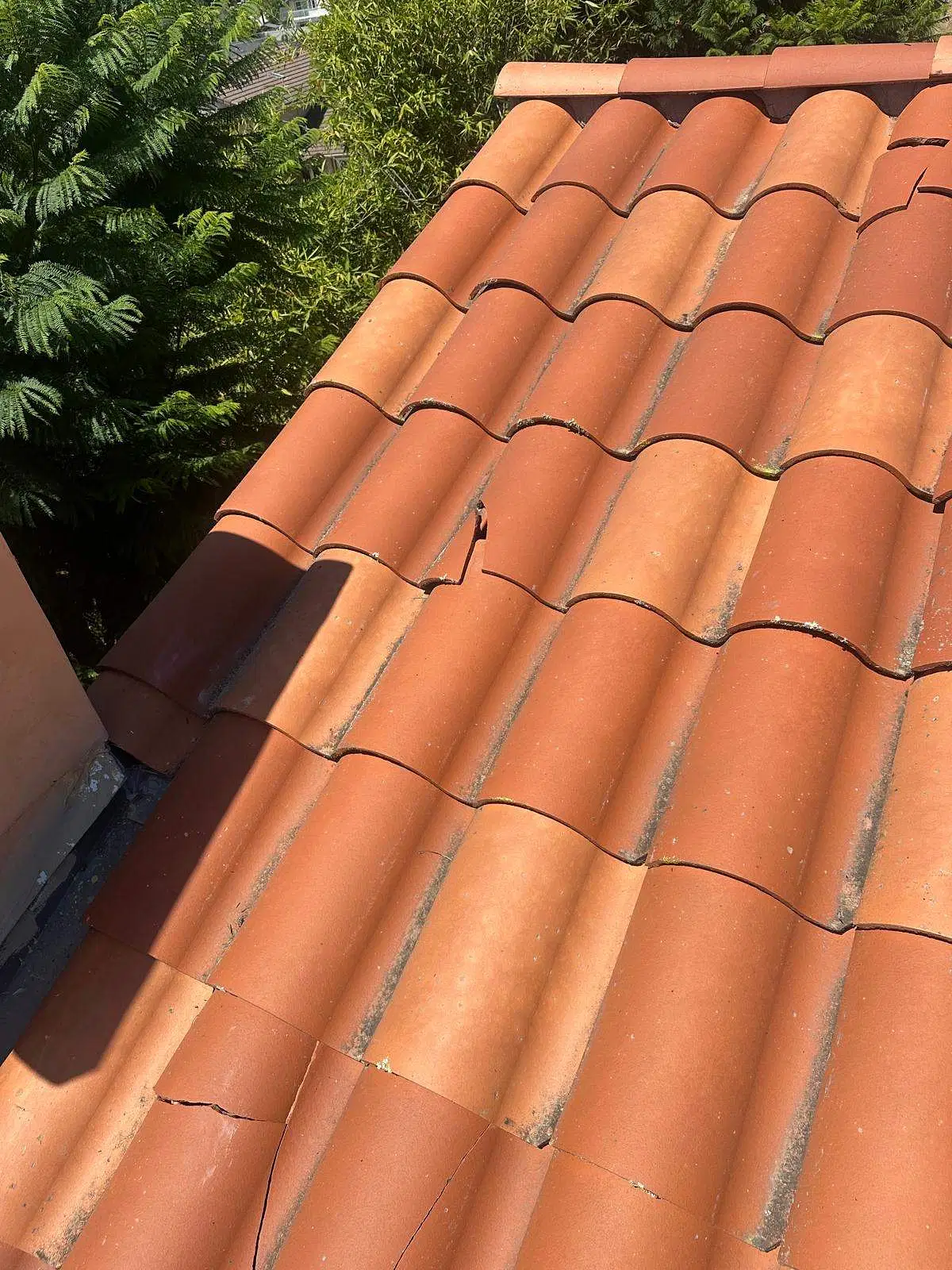
While the outer tiles take the brunt of the weather, the real hero of your roofing system is the underlayment. This hidden layer is what actually keeps the water out of your living room. When a tile cracks or slips, the underlayment is exposed to the sun's harsh UV rays and direct rainfall. If left unaddressed, this exposure causes the material to dry out, crack, and fail. What starts as a simple maintenance issue quickly becomes a necessary repair if caught early, or a highly expensive structural problem if ignored.
Another aspect of maintenance that often leads to repairs is organic growth. Cleaning moss off clay roof tiles is an important task, as moss and algae can trap moisture against the tile surface. Over time, this constant dampness can compromise the integrity of the roof system. If you are wondering how long does a concrete tile roof last compared to other materials, the answer largely depends on keeping it free of this damaging moisture and promptly fixing any underlying issues.
Furthermore, maintaining the integrity of your roof plays a significant role in your home's energy efficiency. California's Title 24 standards emphasize the importance of cool roofs that reflect solar heat. While traditional tiles naturally provide excellent thermal resistance, a compromised roof with poor ventilation or damaged sections can trap heat in your attic, driving up your summer cooling costs. By replacing broken tiles and ensuring your roof's ventilation components are intact, you are actively preserving the energy-efficient qualities of your home. Whether you live in a breezy area like Newbury Park or a warmer inland neighborhood, keeping your roof sealed and functioning properly is a smart financial decision.
This is especially relevant given the rising costs of roofing materials and skyrocketing insurance premiums in California. Insurance companies are becoming increasingly strict about roof conditions, particularly in high-fire zones. Maintaining a pristine, Class A fire-rated roof through timely, documented repairs can sometimes help you secure better insurance rates or prevent your policy from being dropped. By investing in minor upkeep now, you protect your property value and avoid the massive financial burden of a premature full roof replacement.
Navigating HOA Guidelines and Professional Care
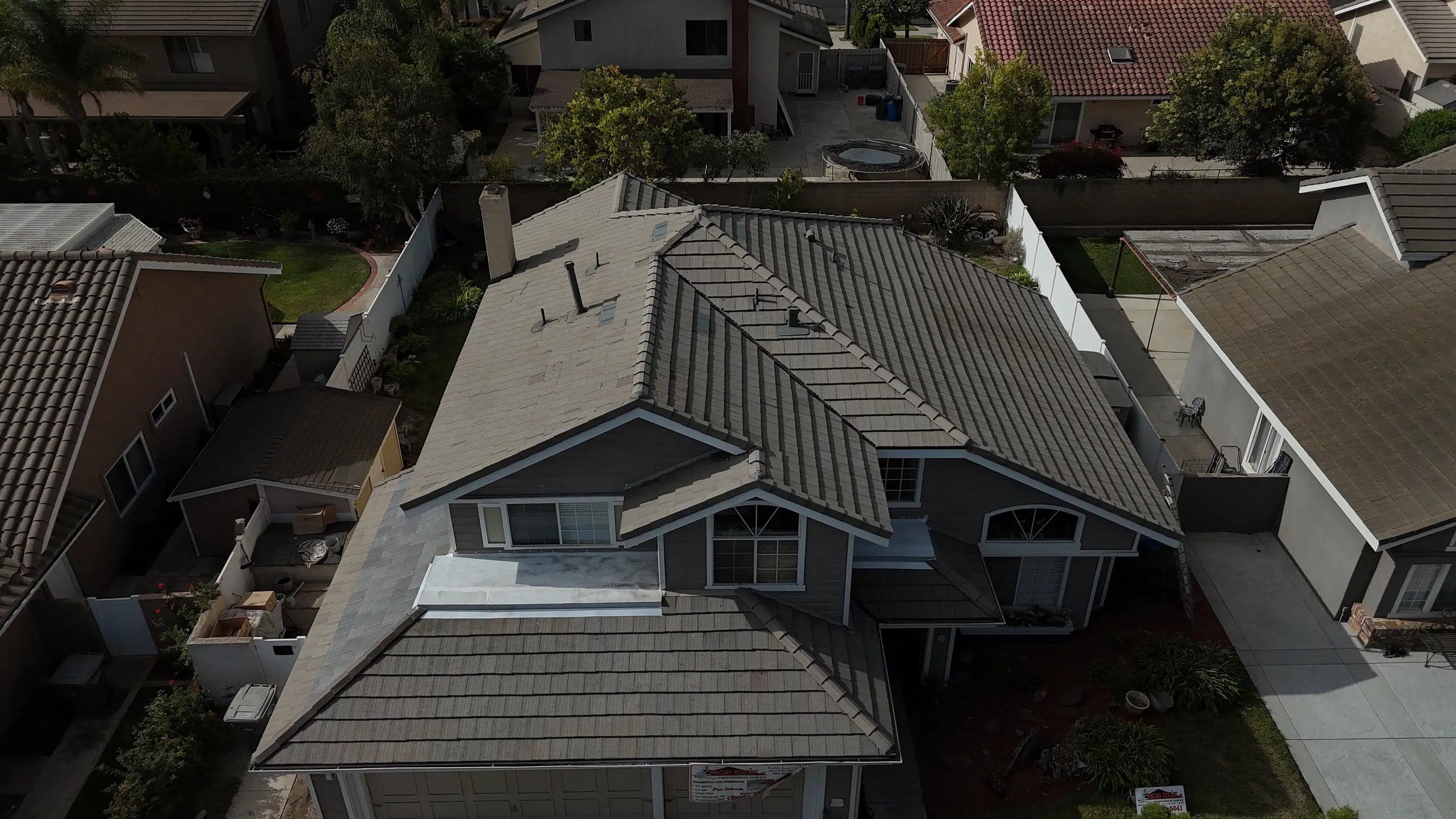
For many homeowners in planned communities like Lang Ranch, Dos Vientos, or Westlake Hills, maintaining a roof also means adhering to strict Homeowners Association guidelines. HOAs often have very specific rules regarding the color, style, and material of your roof to maintain a cohesive neighborhood aesthetic. If your maintenance inspection reveals that a section of your roof needs repairing, you will need to ensure that the replacement materials perfectly match these standards.
Working with a local roofing contractor who understands these regional requirements can make the approval process seamless and stress-free. A knowledgeable contractor can provide the necessary material samples and documentation required by your HOA board, preventing costly delays.
At Macias Roofing Inc., we specialize in the installation, repair, and maintenance of clay and concrete tile roofs throughout Ventura County and the surrounding areas. We know what it takes to protect your home from local weather extremes while keeping it looking beautiful and compliant with neighborhood standards. Whether you need routine maintenance, targeted repairs to fix a leak, or a complete tile roofing replacement, our experienced team is here to help. Don't wait for a small crack to become a major problem. Contact us today to schedule a comprehensive roof inspection and ensure your home is protected for decades to come.