
Navigating HOA Guidelines for Roof Replacement
Replacing your roof is a significant investment in your home's future, offering better protection against the elements, improved energy efficiency, and a beautifully refreshed exterior. However, if you live in a planned community in Thousand Oaks, you already know that upgrading your home's exterior involves much more than simply picking out your favorite materials and scheduling a date. Navigating Homeowners Association guidelines can feel like a daunting task, often adding an extra layer of complexity and paperwork to your project.
Many homeowners find themselves overwhelmed by strict architectural guidelines, specific roofing color requirements, and the lengthy approval processes required before any construction can begin. Balancing these neighborhood standards with your own personal goals for energy efficiency, budget, and safety requires careful planning and a clear understanding of your community's rules. Fortunately, with the right preparation and a knowledgeable local contractor by your side, you can successfully navigate the red tape and achieve a stunning, compliant roof replacement.
Understanding Your Community's Architectural Standards
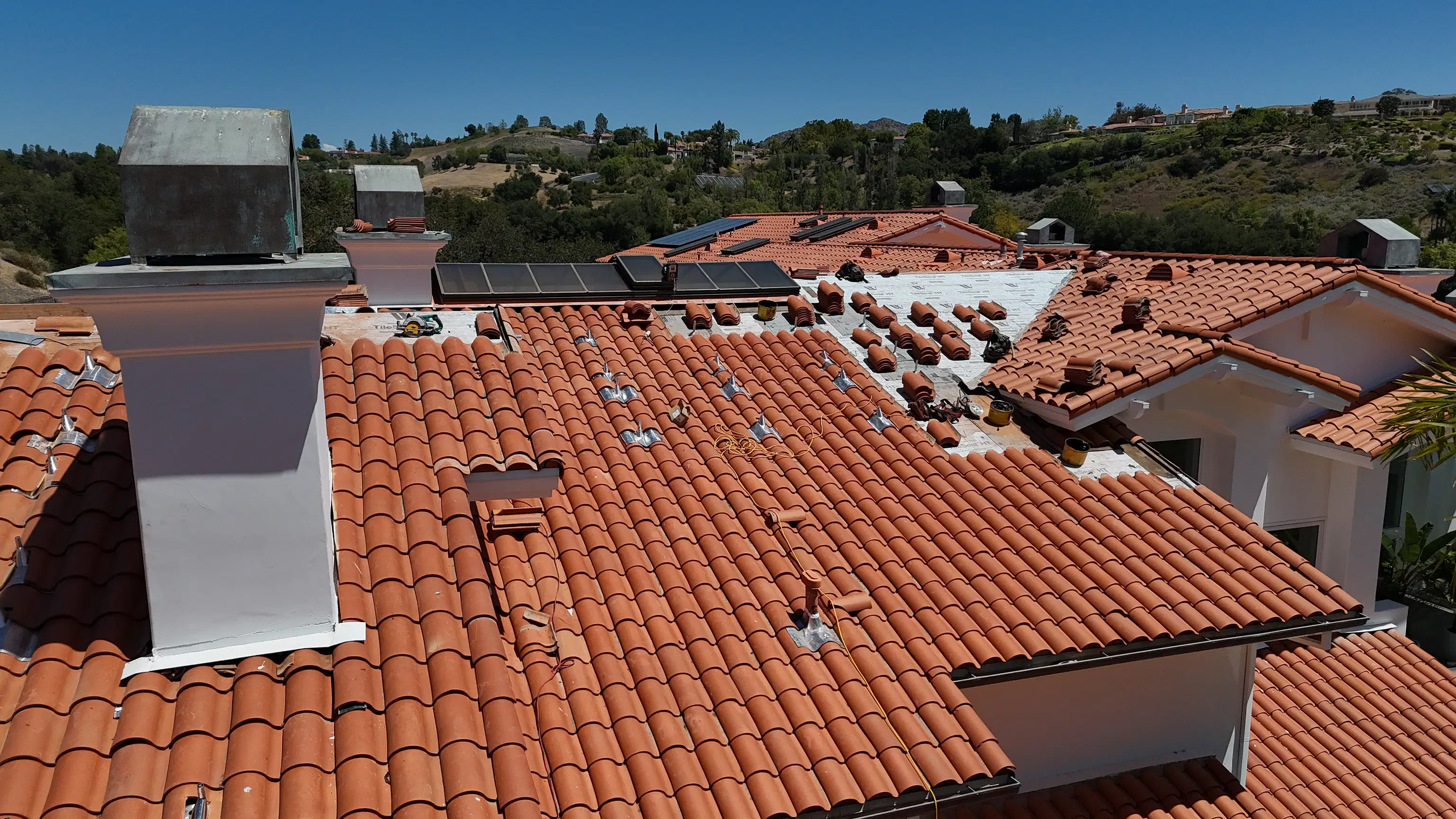
The primary goal of any HOA is to maintain a cohesive visual aesthetic and preserve property values throughout the neighborhood. For established communities like Lang Ranch, this often means strict adherence to specific architectural styles that have been in place for decades. When it comes time for a roof replacement, your HOA will likely have a pre-approved list of materials, profiles, and colors that you must choose from.
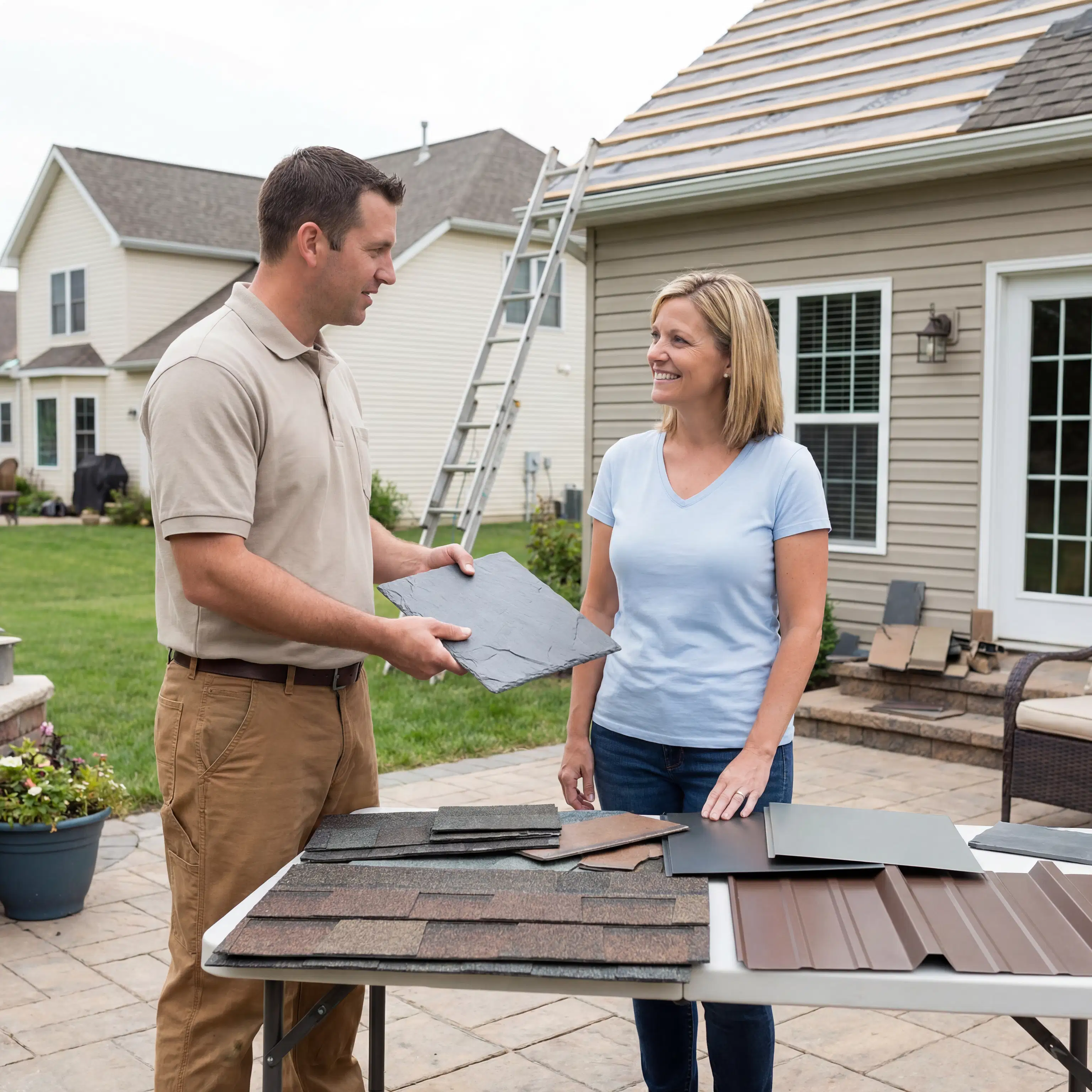
Matching roof tiles for neighborhood standards is one of the most common challenges homeowners face during this process. If your home currently features a classic Spanish tile design, your association will almost certainly require you to replace it with a similar profile to maintain the street's uniform appearance. Fortunately, modern manufacturing has made it easier to find high-quality options that meet these aesthetic requirements while offering superior durability and longevity. When exploring tile roofing options, it is crucial to request physical material samples from your contractor. Submitting these physical samples along with your architectural request form helps the review committee visualize the final result and can significantly speed up the approval process.
Additionally, you must pay close attention to roofing color requirements for HOAs. Even a slight variation in shade from the approved color palette can result in a rejected application or, in worst-case scenarios, a mandate to redo the work at your own expense. A knowledgeable contractor will help you navigate these nuances, ensuring the materials you select perfectly align with your community's aesthetic guidelines while still giving your home a fresh, updated look.
Balancing Aesthetics with Safety and Efficiency
While keeping the HOA architectural committee happy is a top priority, you also need a roof that protects your family, withstands local weather patterns, and helps manage your monthly utility bills. This is where local building codes and environmental factors come into play, sometimes creating friction with outdated HOA guidelines.
In the Conejo Valley, wildfire safety is a paramount concern for homeowners and insurance companies alike. Upgrading to Class A fire-rated materials is essential for protecting your property from flying embers. The good news is that most HOA-approved materials, including concrete and clay tiles, naturally carry this top-tier fire resistance rating. When submitting your project for approval, highlighting that your chosen materials improve the home's fire safety can sometimes help smooth the process with the committee. Furthermore, these heavier materials are excellent at resisting damage from the Santa Anas, ensuring your roof stays intact during high-wind events.
Another critical factor is compliance with California Title 24 energy efficiency standards. These state regulations require new roofs to meet specific solar reflectance and thermal emittance criteria, often referred to as cool roofs. These energy-efficient materials reflect more sunlight and absorb less heat, which is incredibly beneficial for lowering air conditioning costs during our hot summers. If your HOA's approved materials list hasn't been updated recently, you might need to educate the board on why a specific Title 24-compliant material is legally necessary. When planning your re-roofing project, working with a contractor who understands both HOA expectations and state energy mandates ensures your new roof is beautiful, compliant, and highly energy-efficient.
The Approval Process and Overlooked Details
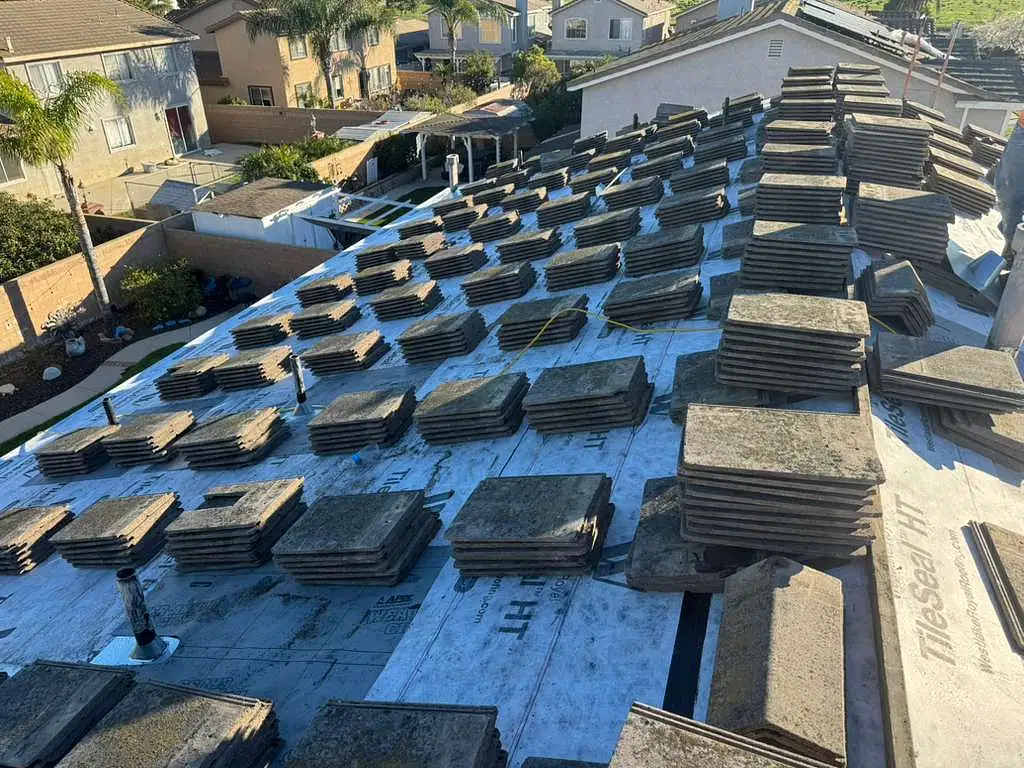
Securing HOA approval is all about preparation, patience, and attention to detail. Before signing any contracts or scheduling a start date, review your community's governing documents to understand the exact submission requirements. This usually involves providing a detailed written estimate, material specifications, color samples, and a timeline of the work. Many HOAs only meet once a month to review architectural requests, so you need to factor this waiting period into your project timeline.
It is also important to consider the secondary elements of your roof that might require approval. For instance, if your project involves replacing the fascia boards or updating the exterior trim due to wood rot or damage, these details must be explicitly included in your architectural request. Changing the color or style of your trim without permission is a common pitfall that can lead to frustrating delays or unexpected fines.
Having a contractor who acts as a proactive liaison can make a world of difference. A team experienced in local HOA processes will provide all the necessary documentation, detailed project scopes, and material specifications upfront, taking the guesswork out of your application. They will also understand the operational rules of your community, such as restricted working hours, parking regulations for work trucks, and strict daily cleanup requirements to keep your neighbors happy.
Moving Forward with Confidence
Replacing your roof within an HOA-governed community doesn't have to be a stressful or overwhelming experience. By taking the time to understand your specific architectural guidelines, prioritizing safety and energy efficiency, and submitting a comprehensive, well-documented approval request, you can ensure a smooth and successful project from start to finish.
At Macias Roofing Inc., we understand the unique challenges homeowners face in Ventura County. We are here to help you select the perfect materials that satisfy your HOA board, meet strict Title 24 requirements, and provide lasting, beautiful protection for your home. Whether you need a complete re-roofing, specialized tile work, or expert roof repairs, our dedicated team is ready to guide you through every step of the process. Contact us today to schedule a consultation and take the first step toward a beautiful, compliant new roof.