Replacing Your Roof Before Installing Solar Panels
Making the transition to renewable energy is an exciting milestone for any homeowner. As electricity rates climb and environmental awareness grows, taking advantage of solar energy has become a top priority for residents across Southern California. However, before you sign on the dotted line with a solar installer, there is a critical step that often gets overlooked: evaluating roof condition for solar panels.
One of the most frequent questions we hear at Macias Roofing Inc. is whether an existing roof can support solar panels, or if a homeowner should pursue re-roofing before installing solar panels. It is a vital question because your roof serves as the structural foundation for your new solar array. Installing state-of-the-art energy technology on top of an aging, compromised surface can lead to significant structural, financial, and logistical headaches down the road.
In this guide, we will walk you through everything you need to know about preparing your home for solar, from navigating local building codes and HOA guidelines to understanding how different roofing materials interact with solar installations. Taking the time to properly assess your roof now will ensure your solar investment pays dividends for decades to come.
The Lifespan Mismatch: Why Timing Matters
To understand why evaluating your roof is so important, we have to look at the expected lifespan of both your roof and your new solar panels. Modern solar panels are incredibly durable and are typically warrantied to produce energy for 25 to 30 years.
On the other hand, the lifespan of your roof depends heavily on the materials used and the weather conditions it has endured. If you have an older roof and you choose to install solar panels over it, you are creating a ticking clock. When that older roof eventually reaches the end of its functional life—say, five or ten years after your solar panels are installed—you will be forced to pay a solar company to completely remove the panels, pay a roofing contractor for your re-roofing project, and then pay the solar company again to reinstall the panels. This removal and reinstallation process can easily add thousands of dollars in unexpected costs to your roof replacement.
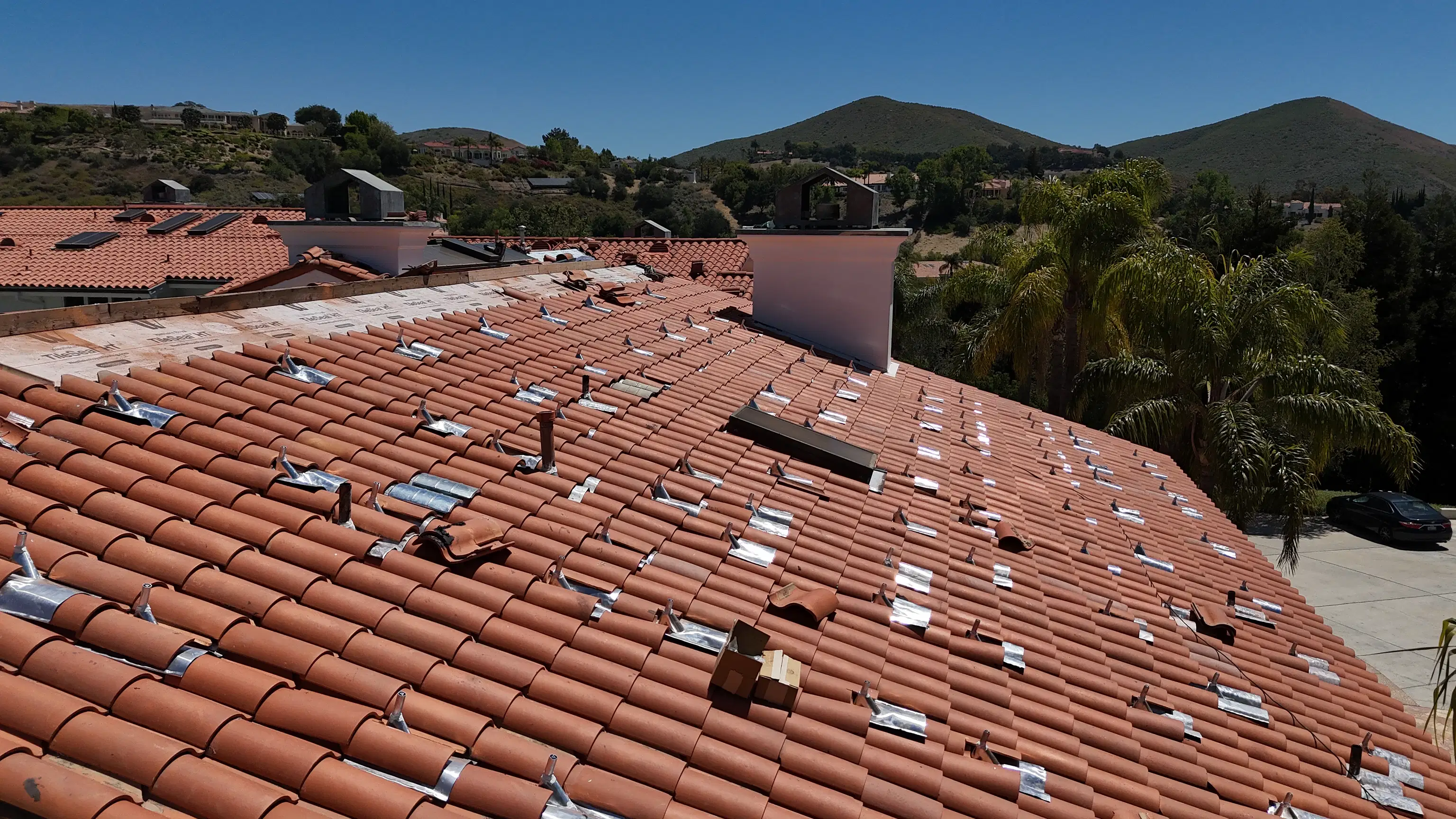
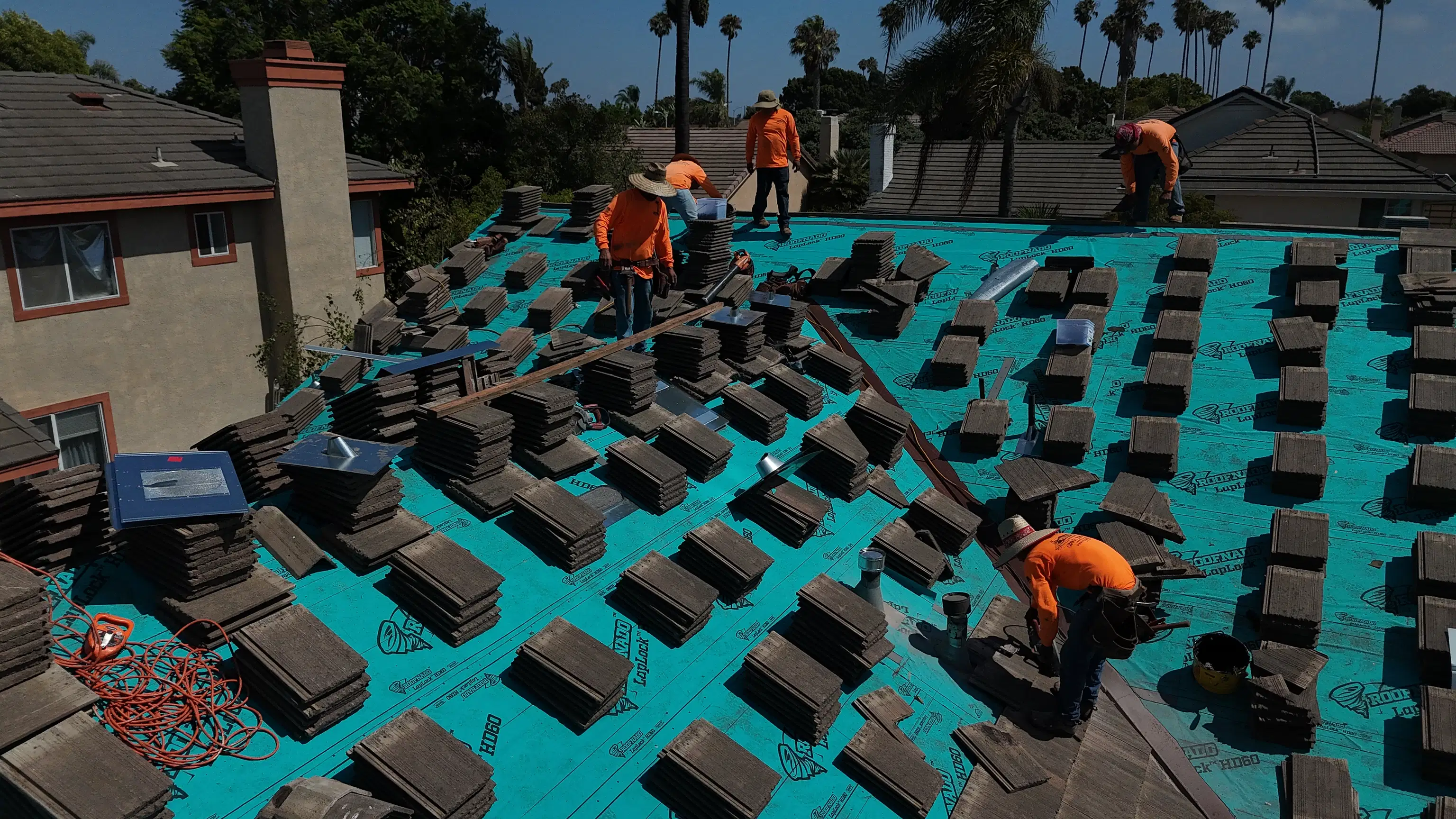
If you are currently evaluating an older system, you might be deciding between asphalt shingles roofing and tile roofing. Concrete and clay tiles naturally boast a longer lifespan than asphalt shingles, but the underlayment beneath those tiles is what truly dictates the roof's water resistance. Over time, extreme heat and dry conditions can cause this underlayment to become brittle and fail, even if the tiles themselves look perfectly fine from the street.
By replacing an aging roof right before your solar installation, you synchronize the lifespans of both systems. Your new roof and your new solar panels will protect your home and generate clean energy together, without the looming threat of a costly mid-lifecycle tear-off.
Navigating Title 24, Energy Efficiency, and HOAs
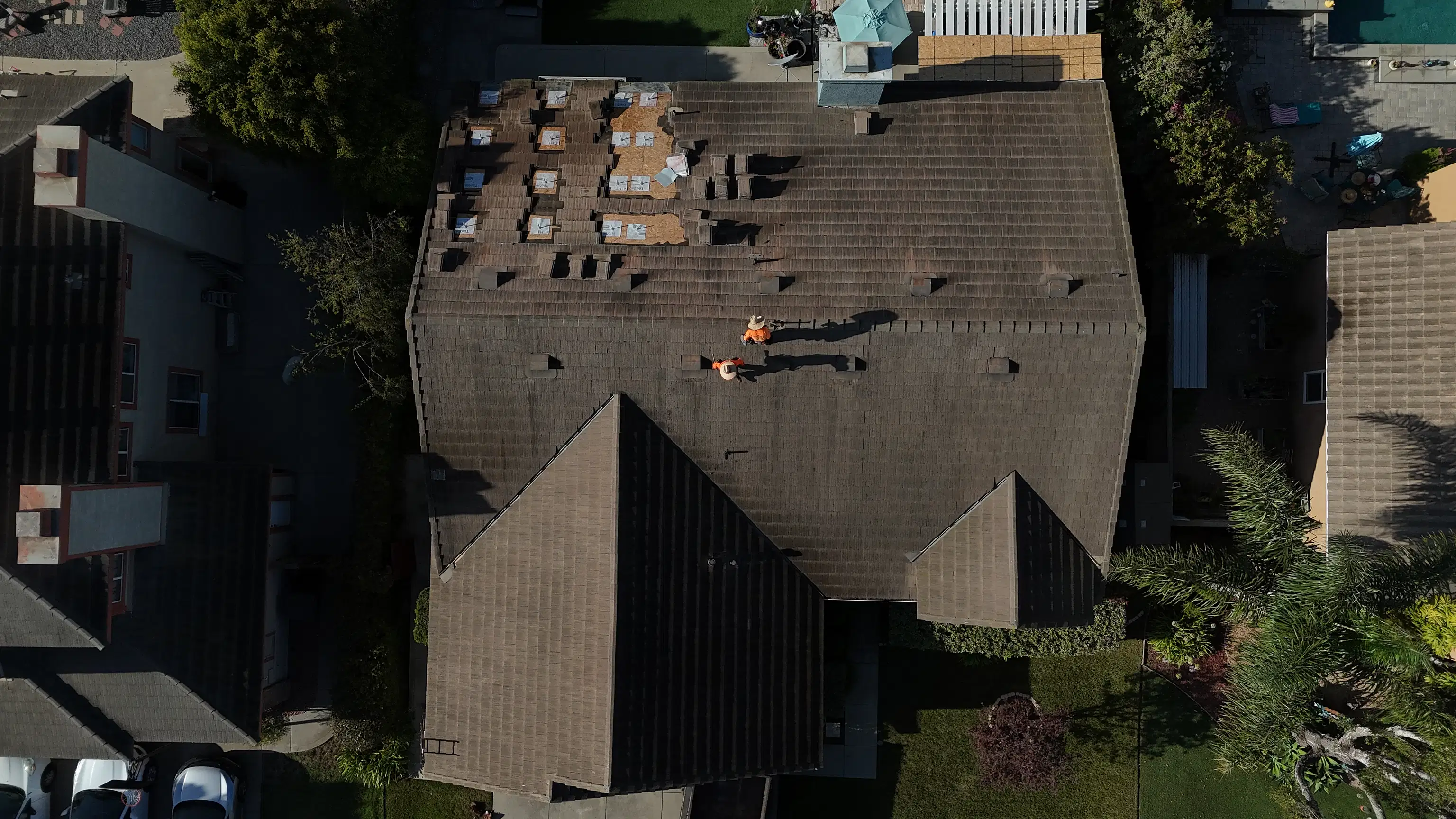
When you undertake a roof replacement in California, you are not just choosing a color and a material; you are also stepping into the realm of stringent energy efficiency standards. California's Title 24 building codes require many new roofs and significant retrofits to meet specific energy efficiency benchmarks. These regulations often mandate the use of "cool roofs"—roofing materials designed to reflect more sunlight and absorb less heat than a standard roof.
Upgrading to a Title 24 compliant roof works hand-in-hand with your solar goals. A cool roof naturally lowers your home's internal temperature during our scorching summer months, which reduces your reliance on air conditioning. When your home is naturally cooler, your new solar panels don't have to work quite as hard to offset your energy consumption, allowing you to bank more of the electricity you generate or sell it back to the grid.
Beyond state regulations, homeowners must also consider local aesthetics. Navigating homeowners association restrictions is a notorious pain point for many residents. If you live in a master-planned community or an established neighborhood, your HOA likely has strict guidelines dictating approved roofing materials, colors, and profiles. Balancing these aesthetic guidelines with Title 24 requirements and solar readiness requires careful planning. Working with a contractor who understands these local nuances ensures your project moves forward smoothly, avoiding costly delays and ensuring all municipal building permits are secured promptly.
Protecting Your Investment from the Elements
Your roof is your home's primary defense against the unique environmental challenges we face locally. While sunny days make for great solar energy production, our region is also known for extreme weather patterns that test the integrity of any structure.
For instance, when the Santa Anas roll through, they bring fierce, sustained winds that can easily lift and tear away compromised shingles or loose tiles. If your roof is already weakened, installing heavy solar arrays can exacerbate these vulnerabilities. A brand new roof ensures that the structural decking is solid and that the surface materials are fastened according to the highest modern wind-resistance standards.
Additionally, many local properties are surrounded by mature, protected trees. While beautiful, routine oak tree debris can accumulate in valleys and gutters, trapping moisture and accelerating the decay of older roofing materials. A fresh, properly flashed roof provides a clean slate, ensuring water flows freely off the structure and away from your new solar panel mounts.
Most importantly, safety must be the top priority. The risk of wildfires is a reality we all live with, and prioritizing Class A fire-rated materials for your re-roofing project offers unparalleled peace of mind. Upgrading to these fire-resistant materials not only protects your family and your property but can also help mitigate rising homeowner's insurance premiums. Installing a modern, fire-rated roof before adding your solar array is one of the smartest investments you can make in your property's long-term security.
Ready to Evaluate Your Roof?
Deciding to go solar is a fantastic choice for your home's energy future, but it is essential to build that future on a solid foundation. Don't let an aging roof compromise your new energy system or hit you with surprise removal costs down the line.
At Macias Roofing Inc., we are dedicated to helping homeowners across Ventura County make informed, confident decisions about their properties. Whether you are dealing with a minor leak, evaluating your roof's condition for solar panels, or planning a complete exterior upgrade, our team has the local expertise and dedication to craftsmanship you need.
If you are planning a solar installation and want to ensure your roof is up to the task, contact us today to schedule a comprehensive evaluation. We will provide a transparent assessment of your current roof, walk you through the best materials for your specific needs, and help you lay the perfect groundwork for your solar journey.