Signs Your Roof Fascia Boards Need Repair
When homeowners look up at their houses, they typically focus on the main roofing materials, whether that involves classic Spanish tile or sleek modern shingles. However, one of the most critical components of your roofing system is often hiding in plain sight: the fascia board. This long, straight board runs along the lower edge of your roof, carrying the gutters and providing a finished look to your home's exterior.
Here in Southern California, our homes face a unique set of environmental challenges. We experience intense dry heat, the notorious Santa Anas that test the structural limits of our exteriors, and sudden, heavy winter rains. These seasonal fluctuations can take a severe toll on the wooden components of your roofline. While Macias Roofing Inc. spends a lot of time educating homeowners on high-quality, Class A fire-rated materials, we also want to stress that a healthy roof relies on a solid perimeter.
Understanding the early warning signs of fascia damage can save you from extensive structural issues, interior water damage, and costly emergency repairs down the road. In this guide, we will walk you through exactly what to look for and how to protect this vital part of your home.
What Does Your Fascia Actually Do?
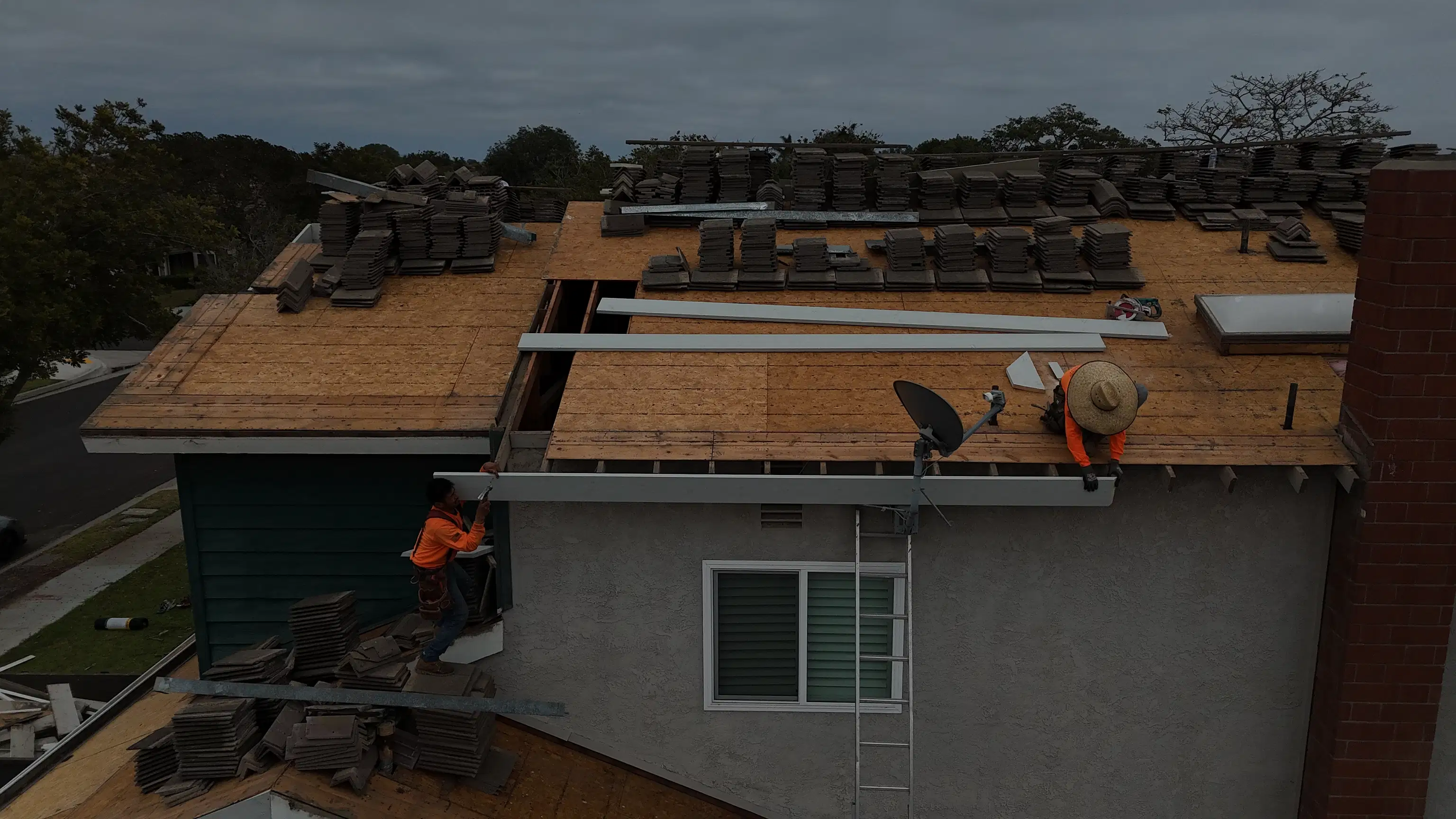
Before you can spot the damage, it helps to know why the fascia is so important. The fascia board acts as the frontline defender against the elements, sealing off the roof cavity from moisture and pests. It also bears the heavy responsibility of supporting your home's gutter system.
When heavy winter rains finally arrive, your gutters need to channel hundreds of gallons of water safely away from your foundation. If the fascia board holding those gutters is compromised, the entire drainage system is at risk. Furthermore, preventing water damage to roof eaves and fascia is essential for preserving the lifespan of your decking and interior ceilings. If water breaches the fascia, it can easily travel into your attic, leading to mold, insulation damage, and compromised structural integrity.
How to Tell if Roof Fascia is Damaged
Catching fascia deterioration early is key. Because the board sits just behind your gutters, the damage can sometimes be difficult to spot from the ground. However, there are several visual cues you can look for during a simple walk around your property.
1. Peeling Paint and Discoloration
Paint does more than keep your home looking beautiful; it acts as a sealant for the wood underneath. If you notice the paint on your roofline is bubbling, peeling, or cracking, it is a strong indicator that moisture has penetrated the wood. Discoloration or dark stains running down the boards are also telltale signs that water is not draining properly and is soaking into the material.
2. Sagging or Pulling Gutters
Gutters should sit flush and firmly against the edge of your roof. If you see sections of your gutters sagging, leaning forward, or detaching entirely, the wood holding the fasteners may have deteriorated. This is one of the most common signs of rotted fascia board behind gutters. As the wood becomes soft and spongy from water exposure, it can no longer support the weight of the gutters, especially when they are full of water or heavy debris.
3. Soft, Crumbling, or Warped Wood
Wood rot is a progressive issue. If you have access to a sturdy ladder and can safely reach your roofline, gently pressing on the fascia board with a screwdriver can tell you a lot. If the wood feels soft, yields to pressure, or crumbles away, it has lost its structural integrity. Additionally, boards that appear bowed, warped, or split are signaling that they have absorbed moisture and expanded, rendering them ineffective.
The Culprits Behind Fascia Damage
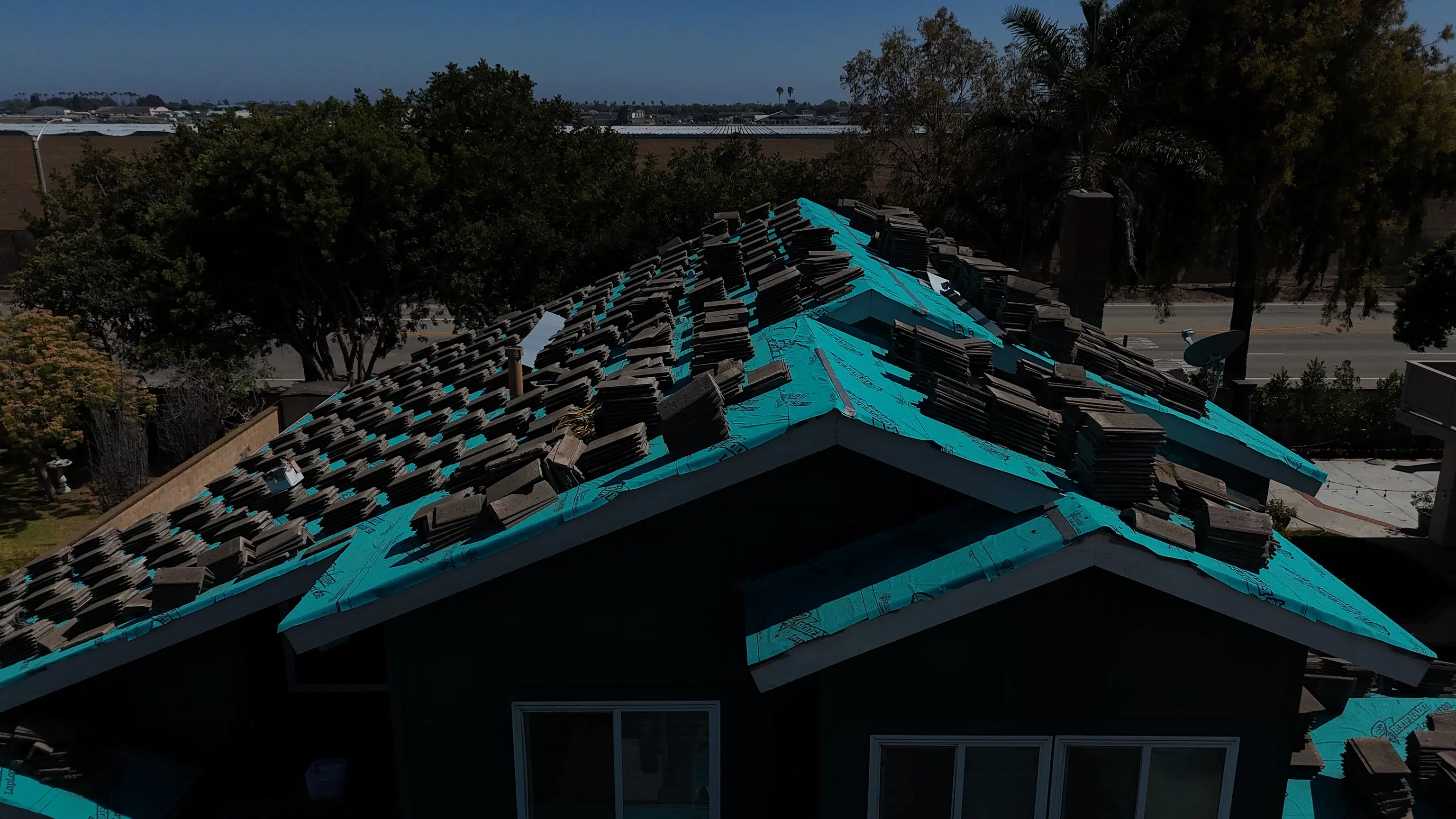
Understanding what causes this deterioration can help you prevent it in the future. In our region, one of the biggest culprits is oak tree debris. Many beautiful neighborhoods in Southern California are surrounded by mature, protected trees. While they offer wonderful shade, their falling leaves and twigs frequently clog gutters. When gutters overflow, the standing water spills directly over and behind the fascia board, initiating the rotting process.
Weather also plays a massive role. The intense summer sun can dry out and crack exposed wood, while wind-driven rain can push moisture into the smallest vulnerabilities. Over time, these combined elements break down even the most resilient paint jobs and sealants.
Another common cause is improper roof installation or failing roofing materials. If your asphalt shingles roofing lacks a proper drip edge, water will not be directed into the center of the gutter. Instead, it will curl back under the shingles and run directly down the face of the fascia board.
Navigating HOA Requirements and Aesthetic Standards
For many homeowners in planned communities, exterior maintenance isn't just a matter of structural health; it's a requirement. Strict homeowners associations frequently monitor properties for peeling paint, damaged rooflines, and sagging gutters. Letting your fascia deteriorate can result in warning letters and fines.
If you need to repair or replace your fascia, it is important to ensure the new materials match your neighborhood's specific architectural guidelines. Whether you are patching a small section or upgrading your home's entire perimeter, keeping the aesthetics cohesive is critical for maintaining your property value and staying in compliance with local aesthetic standards.
The Repair and Replacement Process
Handling fascia issues promptly prevents a minor exterior fix from turning into a major structural overhaul. Because the fascia is so closely tied to the roof's edge and the gutter system, fascia board replacement during roof repair is a highly recommended practice.
When replacing an older roof, a thorough inspection of the underlying wood is mandatory. Removing the old fascia allows professionals to check the rafter tails and eaves for hidden rot. Upgrading these boards while the roof edge is exposed is significantly more cost-effective and ensures your new roof has a solid foundation.
At Macias Roofing Inc., we utilize modern, durable materials designed to withstand local weather extremes. When installing new fascia, we ensure proper sealing, secure gutter re-attachment, and the addition of necessary drip edges to route water exactly where it needs to go, protecting your investment for years to come.
Protecting Your Home's Perimeter
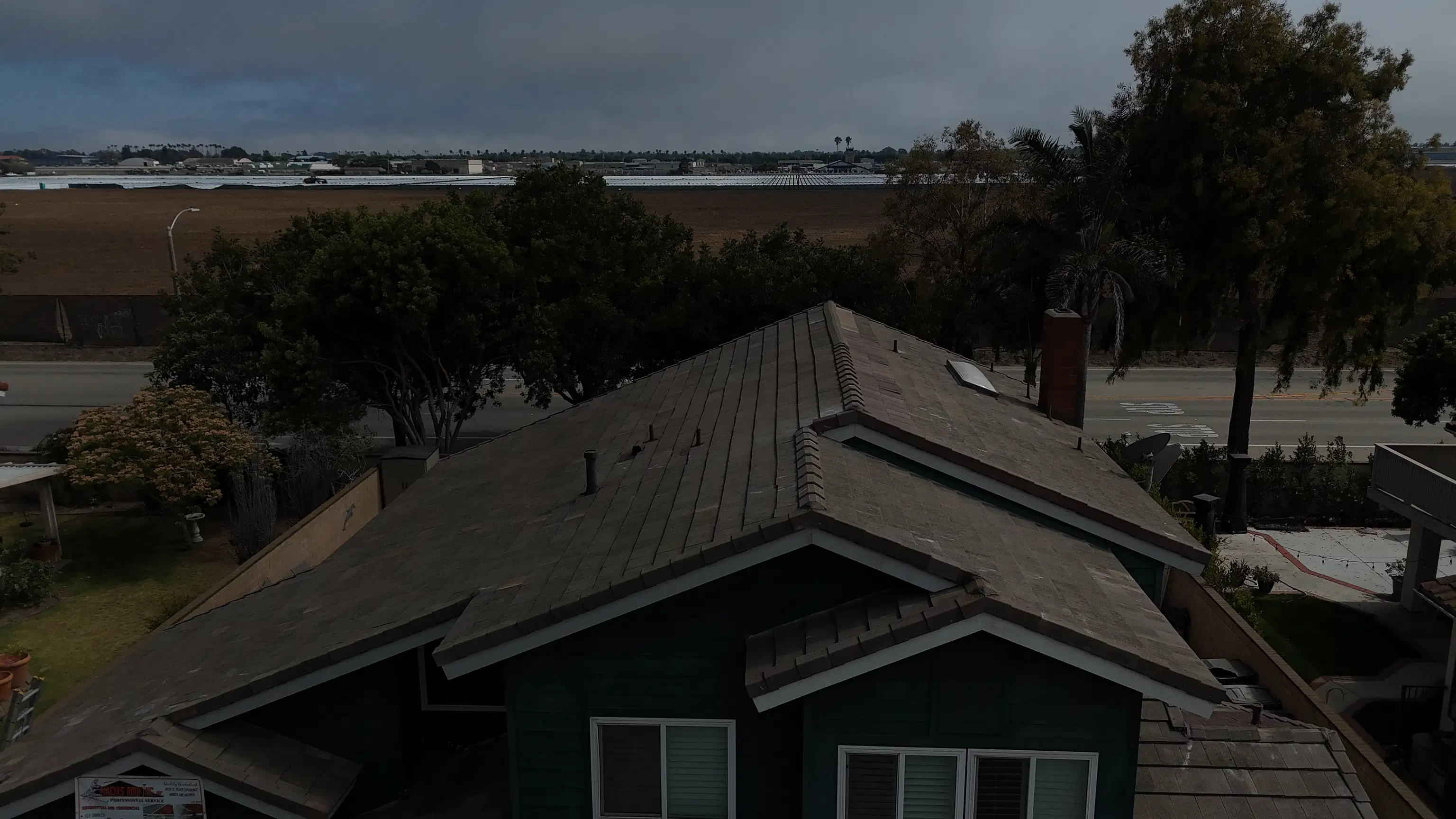
Your roof is a complex system where every part relies on the others to function correctly. The fascia board might seem like a minor cosmetic detail, but it is actually the anchor of your drainage system and a critical barrier against moisture and pests. By keeping an eye out for peeling paint, sagging gutters, and signs of rot, you can address these issues before they compromise your entire roof structure.
Don't wait for the next heavy rainstorm to find out your roof's perimeter is failing. If you suspect your home has damaged eaves, or if you are considering a full roof replacement to upgrade your home's energy efficiency and safety, professional assessment is the first step.
Macias Roofing Inc. proudly serves homeowners throughout Ventura County with top-tier roofing solutions. Whether you need meticulous roof repairs, fascia replacement, flat roofing, tile roofing, or re-roofing services, our team has the local expertise to ensure your home remains safe and beautiful. Reach out today via our contact us page to schedule a comprehensive evaluation of your roofline.