
Solving Flat Roof Ponding Water Issues
Southern California is famous for its abundant sunshine, but when the seasonal winter rains arrive in Ventura County, homeowners with flat roofs often discover an unwelcome surprise: standing water. While a flat roof offers a sleek, modern aesthetic and an excellent platform for energy-efficient upgrades, it requires proper drainage to function correctly. If you have noticed water pooling on your roof days after a storm, you are experiencing what industry professionals call ponding.
At Macias Roofing Inc., we understand that dealing with roof maintenance can feel overwhelming, especially when you are trying to balance protecting your property with your busy daily life. Many homeowners wonder how to fix standing water on flat roof systems before it leads to serious structural problems or compromises their home's weatherproofing. We are here to guide you through identifying the root causes of this issue, understanding the potential risks to your property, and exploring effective solutions to keep your roof dry and secure year-round.
Understanding the Causes of Ponding Water on Low Slope Roofs
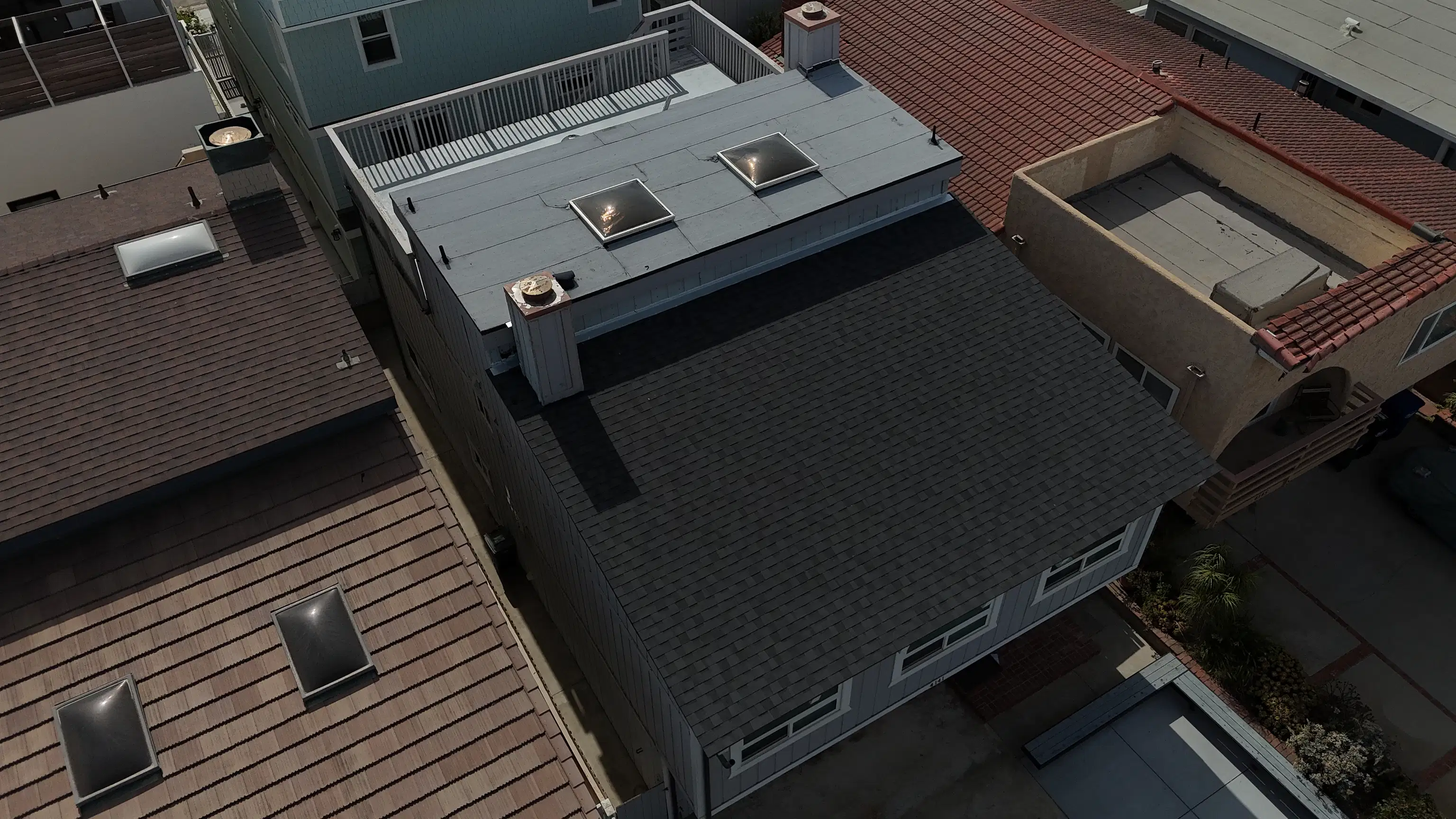
To effectively solve a drainage issue, we first need to understand why it is happening. Despite the name, flat roofs are not actually perfectly flat; they are built with a slight pitch to direct water toward drains, scuppers, or gutters. When this system fails, water accumulates. There are several common causes of ponding water on low slope roofs that we frequently encounter during our residential inspections.
One primary culprit is natural structural settling. Over time, the foundation of a house can shift slightly, or the heavy weight of roofing materials and rooftop equipment like HVAC units can cause the roof deck to sag. This creates subtle depressions where rainwater easily collects and struggles to evaporate, even during our warm and dry seasons.
Another frequent issue, especially in neighborhoods rich with nature, is oak tree debris. The beautiful, protected trees that provide so much shade can also drop leaves, twigs, and acorns directly onto your roof. Without regular maintenance, this debris quickly washes into scuppers and internal drains, creating natural dams that trap water.
Finally, improper initial installation or compressed insulation can lead to poor drainage design. If the tapered insulation beneath the roofing membrane was not laid out correctly, or if it has been crushed by heavy foot traffic over the years, the roof loses its intended slope. Understanding these underlying factors is the first step toward implementing reliable solutions that will stand the test of time.
The Hidden Risks of Ignoring Standing Water
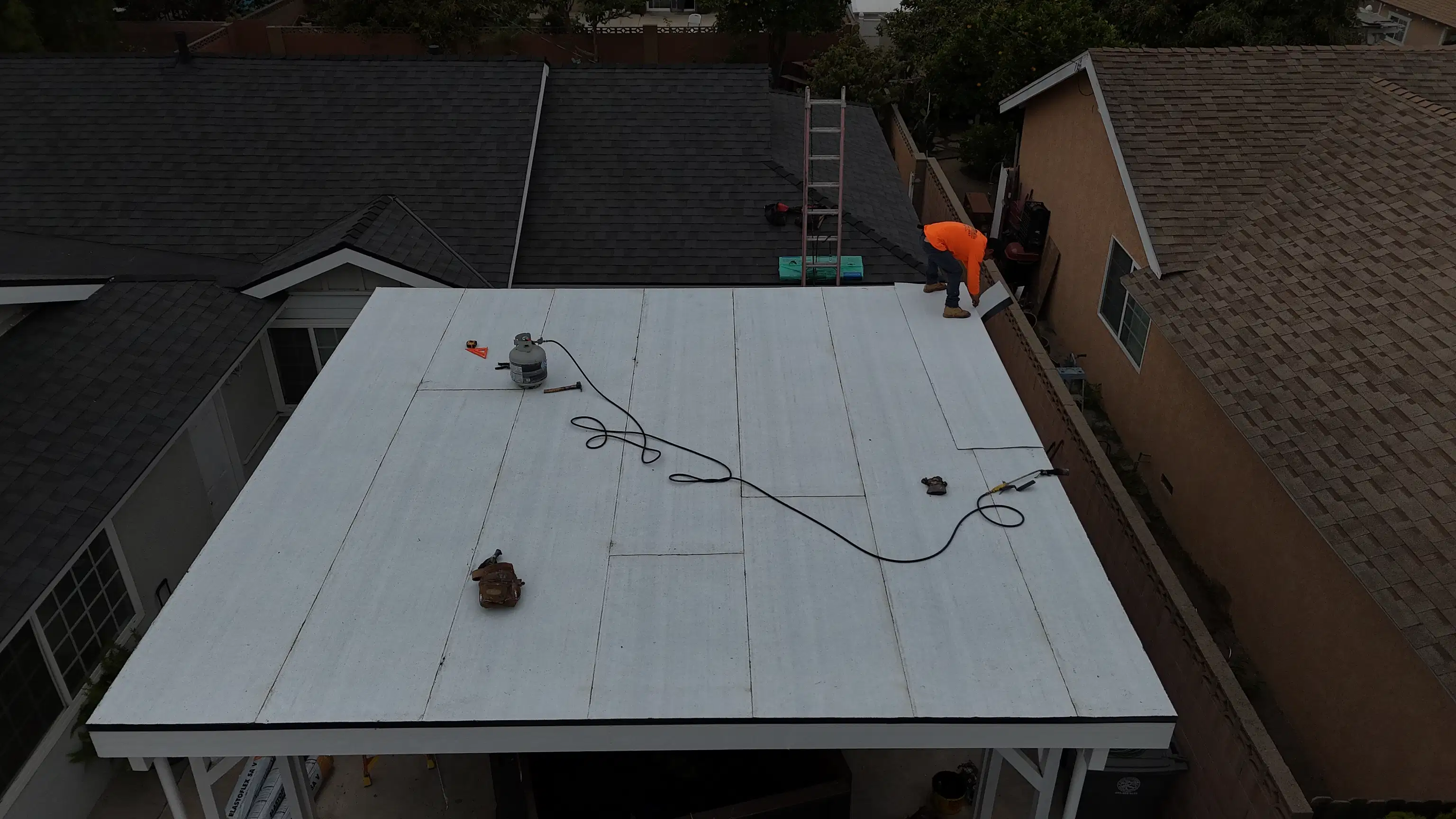
It might be tempting to ignore a few puddles on your roof, especially knowing that the hot sun will eventually dry them out. However, allowing water to sit for more than 48 hours after a heavy rainstorm can lead to severe and costly damage. One of the most immediate threats is moisture degradation. Even the most durable roofing membranes are designed to shed water, not hold it indefinitely. Prolonged exposure to standing water breaks down the roofing materials, leading to premature aging, cracking, and inevitable leaks that can damage your home's interior framing and drywall.
Furthermore, water is incredibly heavy. A mere inch of ponding water across a ten-by-ten foot section adds over five hundred pounds of dead weight to your roof structure. This excess weight exacerbates sagging, which in turn creates a deeper pool for more water to collect—a dangerous cycle that can compromise the structural integrity of your home. If you notice a sagging roof line from inside or outside your property, it is a clear sign that immediate intervention is necessary.
In addition to structural concerns, standing water can negatively impact your home's energy efficiency. Many homeowners in Southern California have upgraded to highly reflective materials to comply with California Title 24 standards, lowering air conditioning costs by reflecting solar heat. Ponding water acts as a magnifying glass for the sun's rays and collects dark dirt and algae, which absorbs heat and completely negates the cooling benefits of your energy-efficient roofing materials.
Flat Roof Drainage Repair Solutions
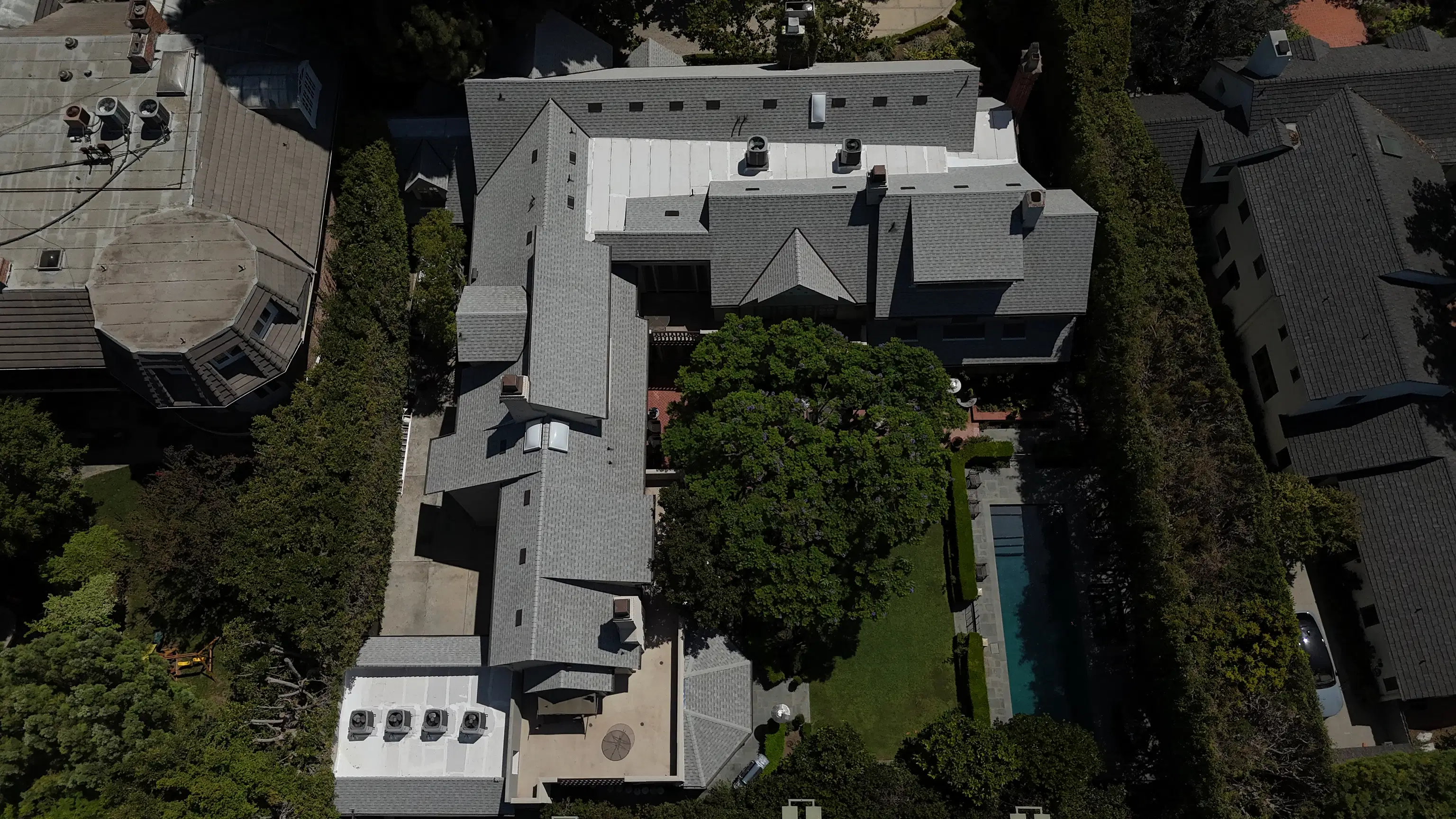
Fortunately, ponding water is a highly solvable problem with the right expertise. When you schedule an inspection with our team, we start by clearing away any blockages, such as accumulated dirt or leaves, to see if the issue is simply a clogged drain. If the problem is structural or design-related, we offer several targeted flat roof drainage repair solutions tailored to your home's specific architecture.
One of the most effective methods is installing tapered insulation. By carefully adding sloped insulation boards beneath the roofing membrane, we can create a custom pitch that forces water to flow directly toward your scuppers and drains. If water is pooling around specific features like chimneys or skylights, we can build crickets—small, peaked structures that divert water safely around these obstacles. We also evaluate the size and placement of your current drainage systems; sometimes, simply widening a scupper or adding an additional drain line is enough to resolve the issue entirely.
Whether you need targeted roof repairs to fix a sagging section or are considering comprehensive flat roofing upgrades to ensure long-term peace of mind, choosing a contractor with deep local experience is crucial. We know how to build systems that endure the heavy winter storms, extreme summer heat, and the Santa Anas.
If you are concerned about water pooling on your property, do not wait for a leak to start. Contact Macias Roofing Inc. today to schedule a thorough inspection. We are proud to provide honest assessments and reliable, high-quality craftsmanship to protect your most valuable investment.