Why a Sagging Roof Line Requires Immediate Attention
As homeowners in the Conejo Valley know, our homes are our sanctuaries, providing shelter from the intense summer heat and the unpredictable winter rains. We invest heavily in maintaining our properties, ensuring they look beautiful and function perfectly. However, one critical structural issue that often goes unnoticed until it becomes a major problem is a sagging roof line. While it might initially seem like a minor cosmetic quirk, a dip or curve in your roof is actually a massive red flag indicating underlying structural distress.
Your roof is a complex system designed to distribute weight evenly and shed water efficiently. When that system is compromised, the safety, integrity, and value of your entire home are at risk. Ignoring a sagging roof line can lead to catastrophic failures, severe water damage, and incredibly costly repairs down the road. Understanding why this happens and knowing when to call in a professional can save you from a massive headache and protect your most valuable asset.
Common Causes of a Sagging Roof
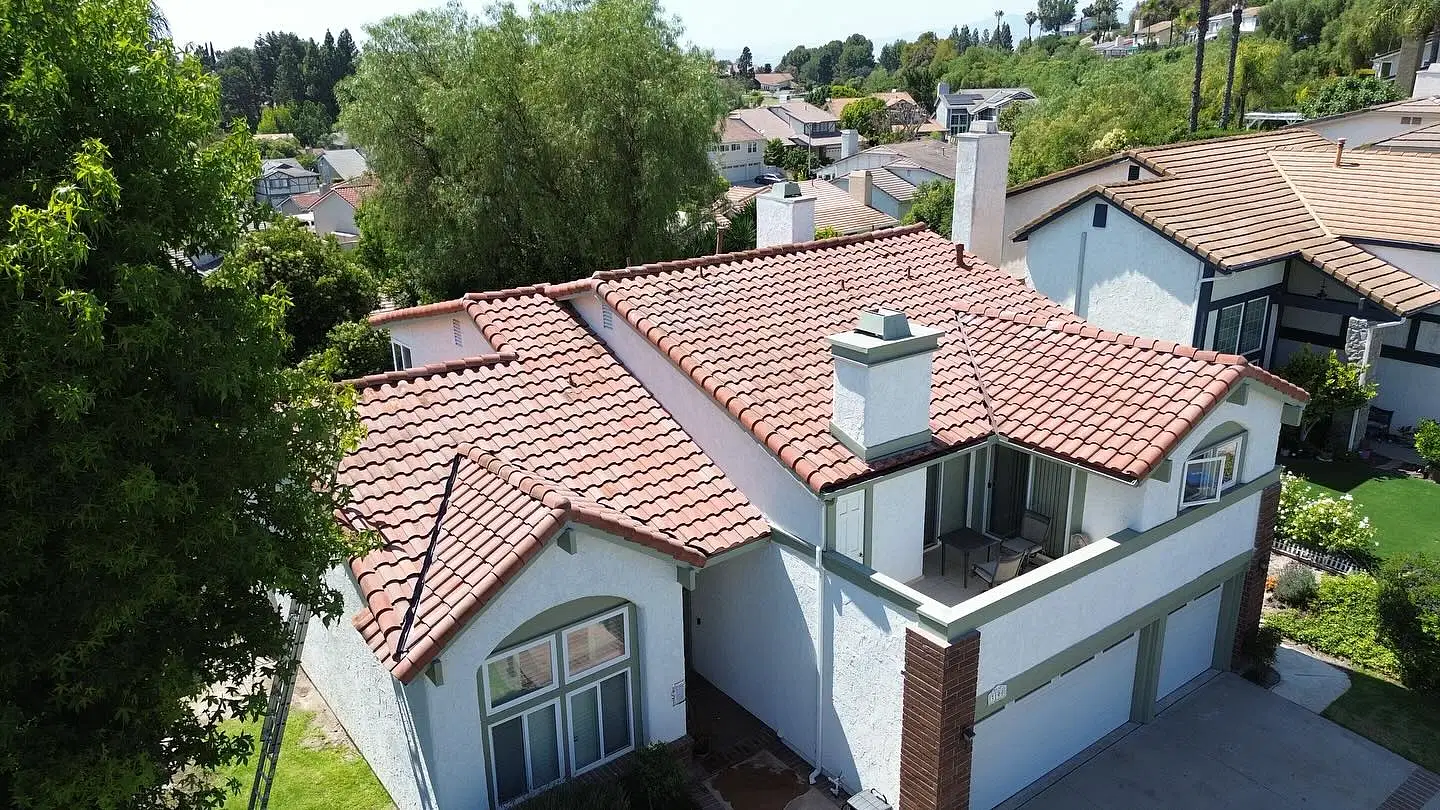
Roofs are engineered to hold a specific amount of weight, but over time, various factors can compromise their structural integrity. One of the most frequent culprits in our area is the sheer weight of the roofing materials themselves. Many local homes feature beautiful, classic Spanish tile or heavy concrete tiles to comply with neighborhood aesthetics. While these materials are incredibly durable and offer excellent fire resistance, they are also exceptionally heavy. If the underlying support structure was not properly reinforced during the initial build, or if it has weakened over time, the weight can cause the roof deck and rafters to bow.
Another major factor is prolonged exposure to moisture. Even a small, undetected leak can allow water to seep into the wooden decking and trusses. Over time, this moisture causes the wood to rot, warp, and lose its load-bearing capacity. This issue is often exacerbated by Oak tree debris. Falling leaves and branches from our beautiful, protected local trees can accumulate in valleys and gutters, trapping moisture against the roof surface and accelerating the deterioration process. If you suspect moisture has compromised your structure, scheduling professional roof repairs immediately is crucial to halt the damage before it spreads.
Signs of Structural Roof Damage You Shouldn't Ignore
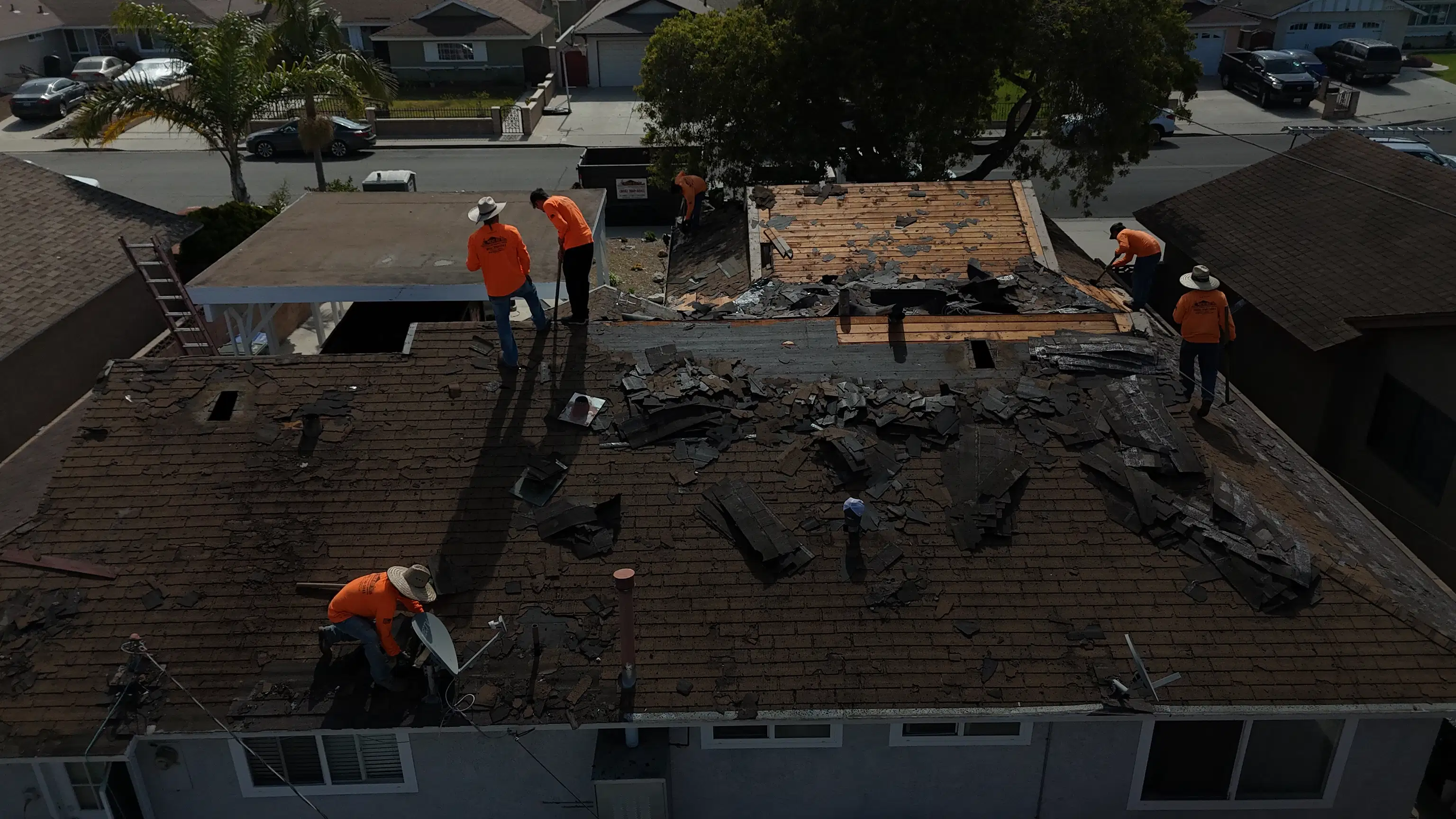
Catching roof issues early is the key to minimizing repair costs. Homeowners should routinely inspect their property from the ground, looking for any visible dips, waves, or unevenness along the ridge line. However, the signs of structural roof damage aren't always confined to the exterior. Inside your home, look for cracks in the drywall near the ceiling, doors that suddenly stick or refuse to close properly, or visible bowing in the ceiling itself. If you have access to your attic, check for sagging rafters, dark water stains on the wood, or daylight peeking through the roof boards.
Pay special attention to the edges of your roof. The fascia boards, which run horizontally along the lower edge of the roof, play a vital role in supporting the lower edge of the bottom row of tiles or shingles and carrying the gutters. If these boards become waterlogged and rot, they can contribute to a sagging appearance at the eaves. In many cases, replacing rotted roof fascia is a necessary step in restoring the roof's structural integrity and preventing further moisture intrusion. You can learn more about how we handle this specific issue on our fascia services page. Furthermore, when the Santa Anas roll through, the intense winds can exploit these structural weaknesses, turning a minor sag into a major emergency.
When to Repair vs. Replace
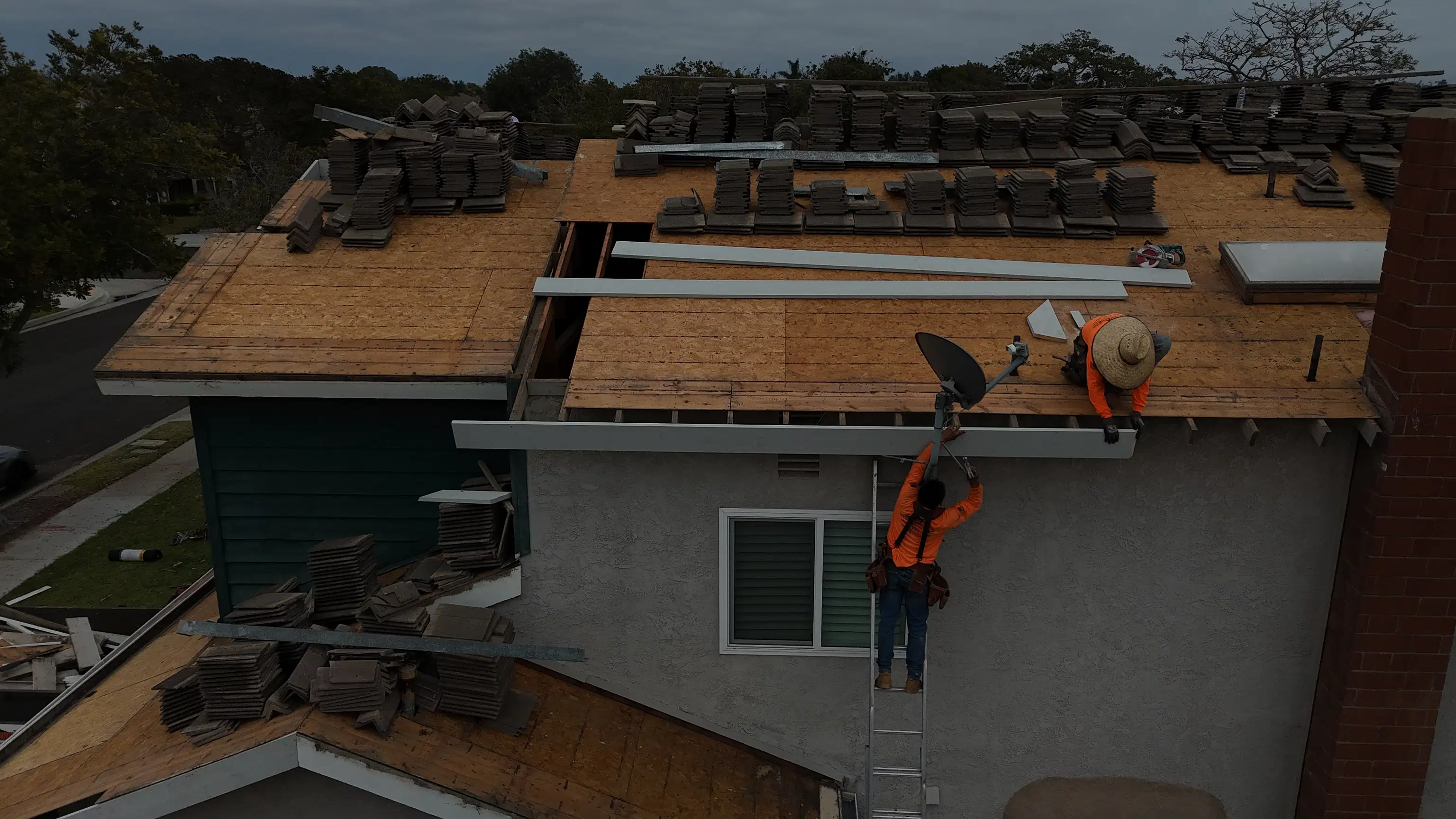
When you notice a dip in your roof, the immediate question is whether you can simply fix sagging roof line issues with a targeted repair or if a complete replacement is necessary. The answer depends entirely on the extent of the damage. If the sagging is localized and caused by a single broken rafter or a small area of rotted decking, a professional contractor can often reinforce the structure and replace the damaged materials without tearing off the entire roof.
However, if the sagging is widespread, if the structural framing is severely compromised, or if the roofing materials are nearing the end of their lifespan, a full replacement is usually the most cost-effective and safest option. Opting for comprehensive re-roofing allows contractors to completely rebuild the support structure. This is also an excellent opportunity to upgrade to modern, energy-efficient materials that comply with California's strict Title 24 standards, such as cool roofs that reflect solar heat and significantly lower your summer air conditioning bills. Additionally, if you live in a community like Lang Ranch with strict architectural guidelines, a full replacement ensures that your new roof perfectly aligns with your HOA's aesthetic requirements while providing decades of reliable protection.
Protect Your Home Before It's Too Late
A sagging roof is your home's way of asking for help. Ignoring it will only lead to more extensive damage, higher repair bills, and potential safety hazards for your family. Whether the issue stems from heavy materials, hidden water damage, or aging structural supports, addressing it promptly is the only way to protect your investment.
If you are a homeowner in Thousand Oaks or the surrounding areas and have noticed a dip in your roofline, don't wait for the next heavy rainstorm or high-wind event to take action. The team at Macias Roofing Inc. is here to provide thorough inspections, transparent assessments, and high-quality solutions tailored to your specific needs. From minor structural reinforcements to complete roof replacements, we have the expertise to keep your home safe and beautiful. Reach out to us today through our contact us page to schedule your consultation and secure your peace of mind.